
Winter warning for Kiwis and their car batteries
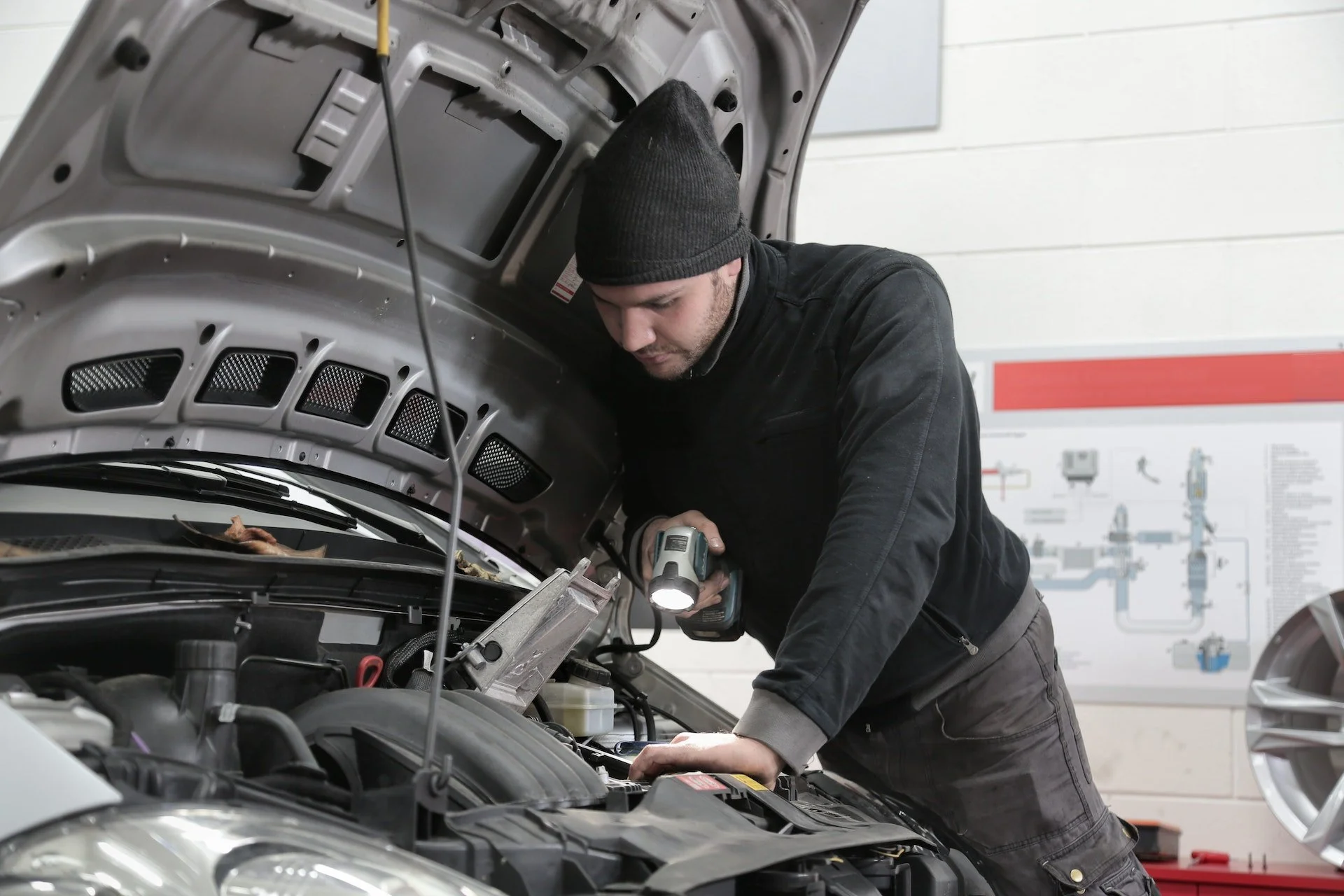
Keep an eye on your car battery this winter. Photos: Supplied
As temperatures drop and fuel prices continue to impact household budgets, Century Batteries is encouraging New Zealanders to pay closer attention to their car battery, warning that reduced driving habits combined with colder weather can significantly increase the risk of failure.
Many drivers are naturally spending less time on the road - whether that’s skipping weekend trips, combining errands, or leaving a second vehicle parked for longer periods. However, these changes can have an unintended impact on battery health.
Andrew Bottoms, Marketing Manager - Automotive at Century Batteries, said car batteries rely on regular use to stay charged - and winter can quickly expose underlying issues.
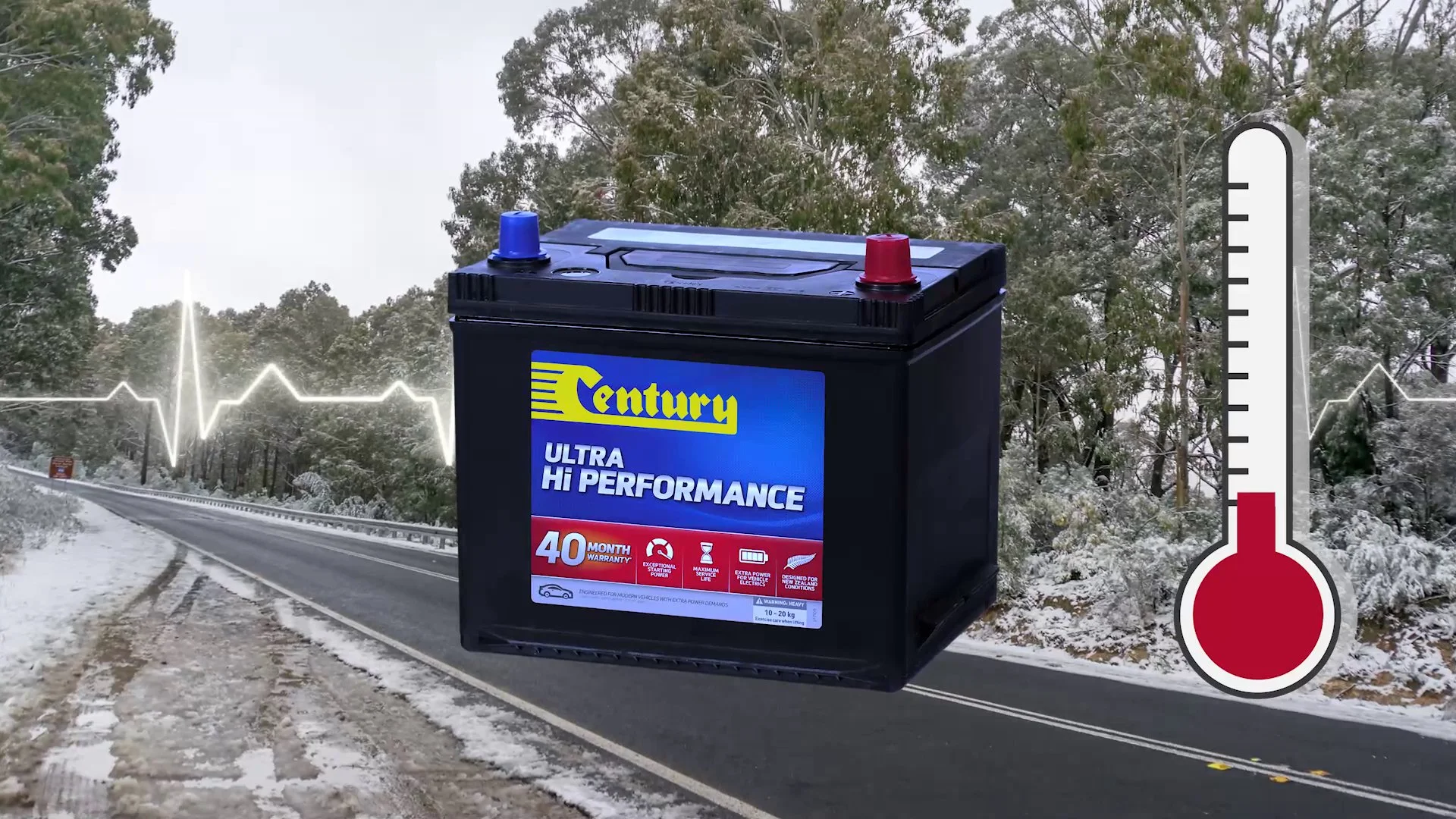
The cold weather slowing the internal chemical reactions in batteries.
“Car batteries don’t perform well when they’re not used regularly,” he said. “When a vehicle sits idle, the battery continues to drain due to onboard electronics like alarms and sensors. If you’re only taking short trips, the battery may not have enough time to recover the charge used to start the engine.”
Cold weather further compounds the issue, slowing the internal chemical reactions that allow batteries to deliver power, at the same time as engines require more energy to start.
“When you combine colder temperatures with reduced driving, it creates the perfect conditions for battery failure,” he continued. “It’s why many drivers only realise there’s a problem when their car won’t start on a cold morning.”

Century Batteries warns not using your car can affect its battery.
Battery-related issues remain one of the most common causes of roadside assistance callouts, with many cases preventable through simple maintenance and regular checks.
To help drivers stay on the road this winter, Century Batteries recommends a few simple steps:
Keep your battery charged: If a vehicle isn’t being used regularly, recharge the battery with a suitable battery charger to help maintain performance. For second vehicles or cars being stored for longer periods, make sure the battery is fully charged before placing the vehicle in the garage and regularly top up the charge while it’s not in use. Recharging the battery approximately once every six weeks is ideal.
Take the car for a longer drive when you can: Aim for at least one 20–30 minute trip each week to help properly recharge the battery.
Reduce repeated short trips: Combining errands can minimise the number of cold starts and reduce strain on the battery.
Keep your battery clean and secure: Dirt, corrosion and loose connections can impact performance over time.
Be mindful of unused vehicles: If a car isn’t being driven regularly, consider using a maintenance charger.
Get your battery tested: A quick check can identify early signs of wear before it leads to failure.
“If your battery is more than three years old, it’s worth having it tested before winter really sets in,” Bottoms said. “A simple check now could save you from the inconvenience of being stranded later.”
For more car battery advice, safety tips and information, visitwww.centurybatteries..co.nz.