
top 5 tips for winter driving in NZ
Need a new car for winter? Head to AutoMuse ProAdvice
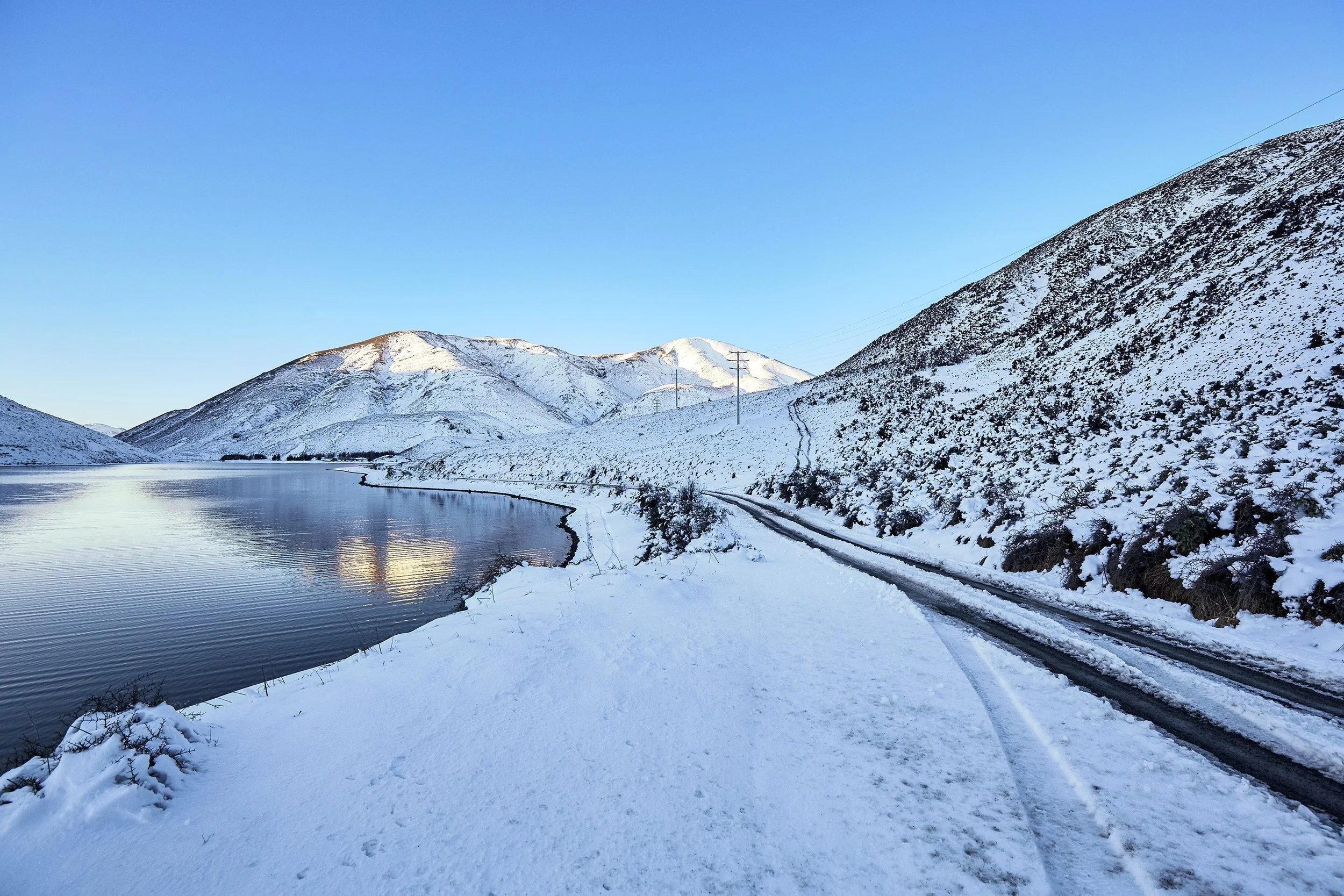
You ned o take extra car on snow-covered areas. Photo: Matt Craword
Winter driving in New Zealand can be challenging, be it in the city or in the countryside, and especially in alpine passes and as road conditions change, so should your driving style.
Before every winter journey, take a few minutes to clear all frost, ice and condensation from every window and mirror. Driving with only a small cleared patch of the windscreen is dangerous and significantly reduces your ability to spot hazards.
While modern vehicles with electronic stability control (ESC) and anti-lock brakes (ABS) can help maintain control, they cannot overcome excessive speed or poor tyre grip.
Here are five tips to help you stay safe:
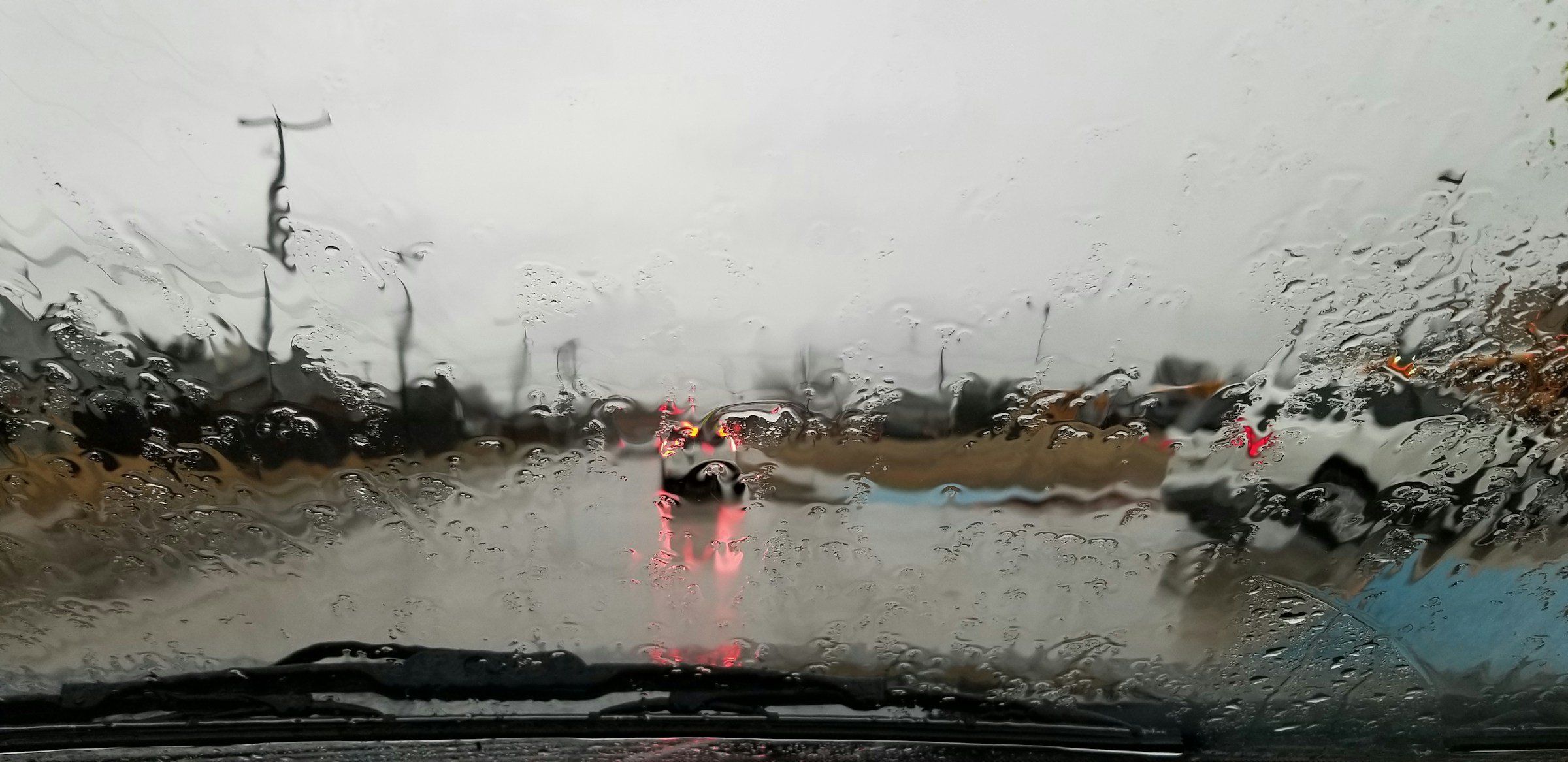
Drive to the conditions and increase the gap. Photo: Christopher Vigil
1. Slow down and increase your following distance
Cold, wet roads provide less grip than dry roads, and braking distances can double in icy conditions. Reduce your speed well before corners and leave at least a four-second gap to the vehicle ahead. Gentle steering, braking and acceleration will help prevent skids.
2. Watch out for black ice
Black ice is one of winter's biggest hazards because it's almost invisible. It commonly forms:
On bridges and overpasses
In shaded sections of road
Early in the morning and after sunset
Near rivers and valleys
If you hit black ice, avoid braking suddenly. Instead, keep the steering wheel straight, ease off the accelerator and let the vehicle regain traction before making any steering inputs.
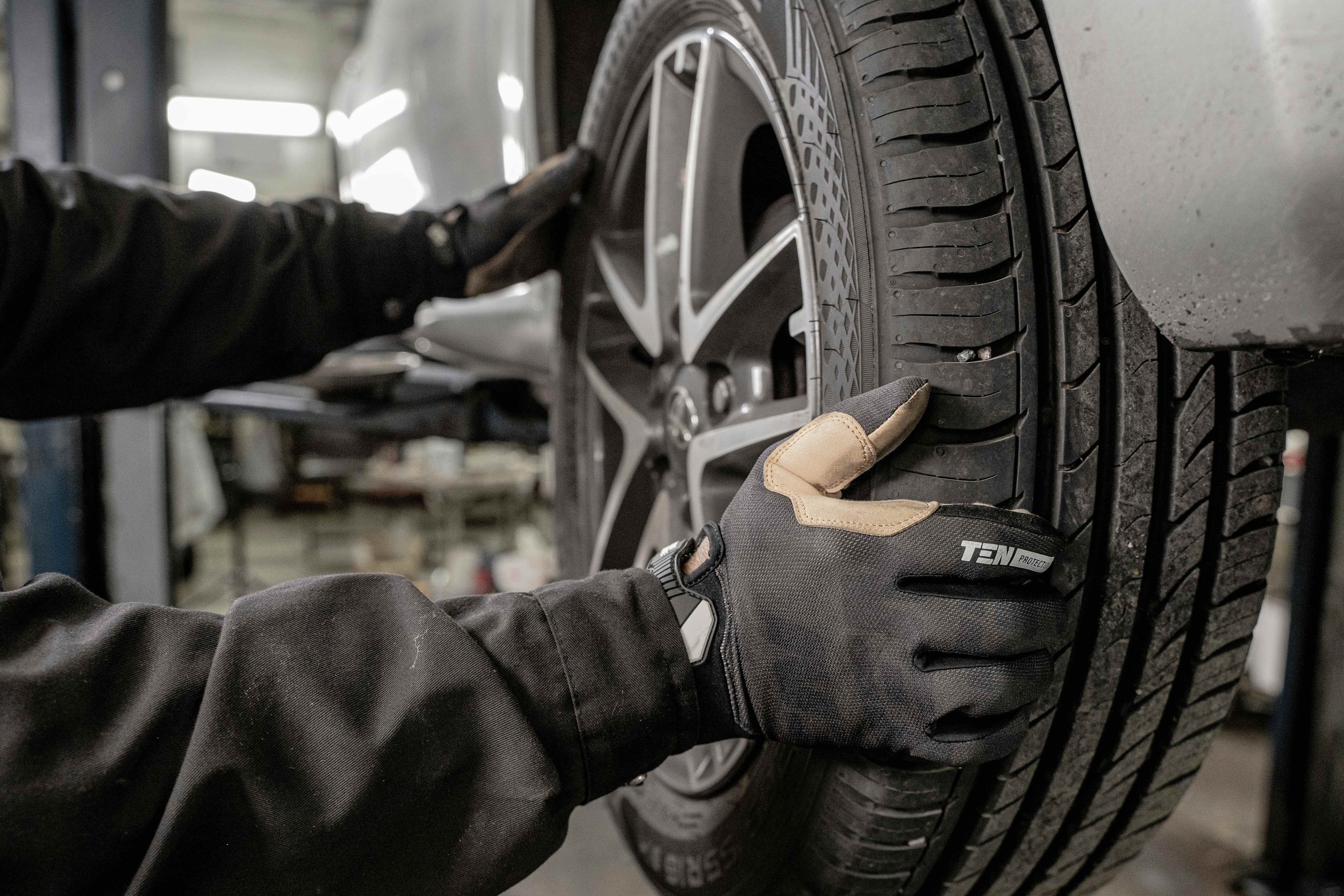
Make sure your tyres have plenty of tread. Photo: Jimmy Nilsson
3. Check your tyres and lights
Tyres are your only contact with the road, so make sure they have plenty of tread—well above the legal minimum—and are inflated to the correct pressure. Also check that:
Headlights and tail lights are clean and working.
Windscreen wipers clear the glass effectively.
Washer fluid is topped up with a suitable cleaning solution.
Good visibility is just as important as good grip during winter.
4. Be prepared before you leave
Check the weather forecast and road conditions before setting off, especially if you're travelling through mountain passes such as the Crown Range or Lewis Pass. If snow is forecast:
Carry snow chains if required.
Keep warm clothing, food, water and a phone charger in the car.
Fill the fuel tank or fully charge your EV before heading into remote areas.
Being prepared can make a significant difference if you become delayed or stranded.
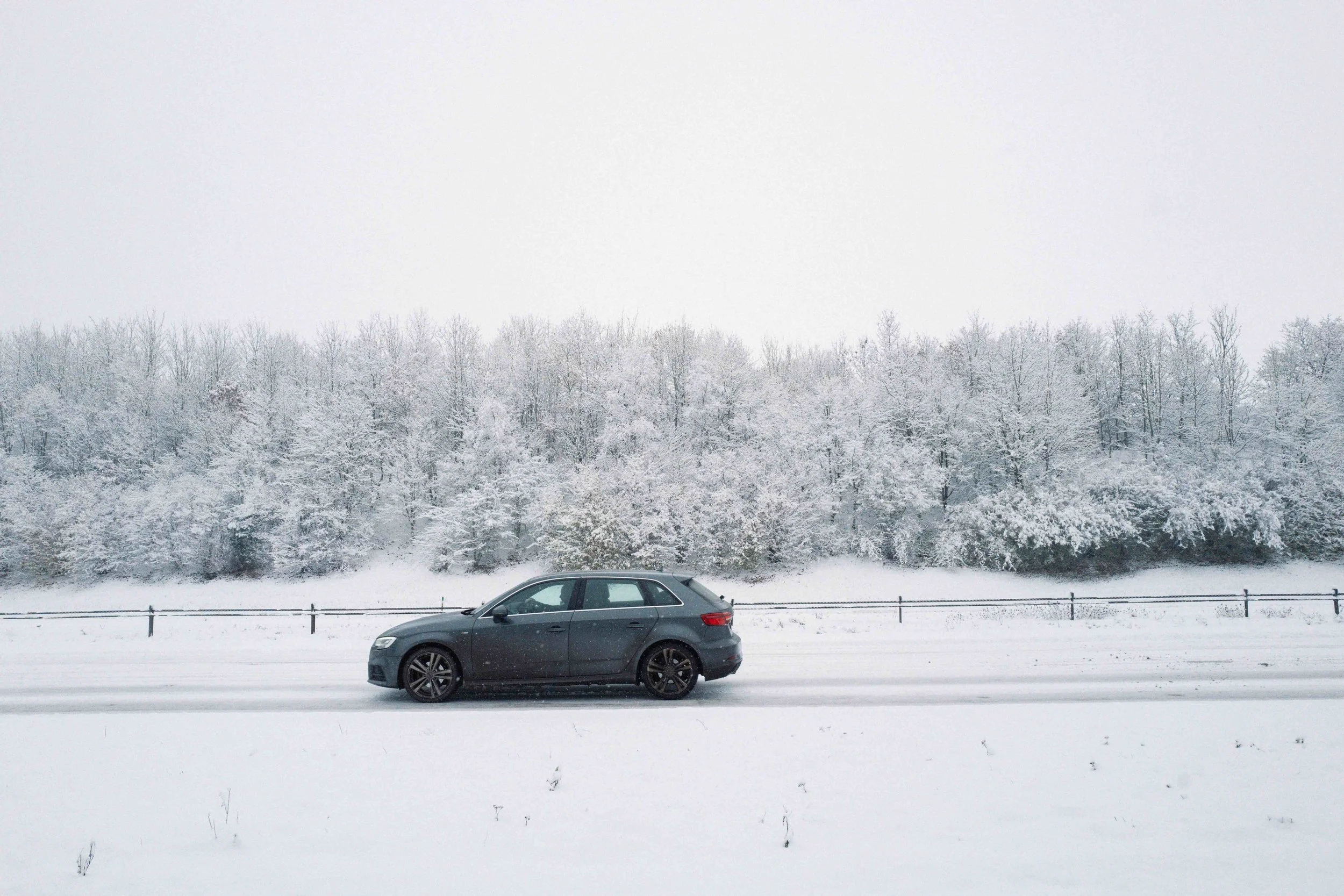
Make sure you have good visibility when it snows. Photo: Ottr Dan
5. Drive smoothly and avoid sudden inputs
Winter driving rewards smoothness. Accelerate gently, brake progressively and steer smoothly. If your vehicle begins to skid:
Stay calm.
Look where you want the car to go.
Ease off the accelerator.
Steer gently in the direction of the skid until grip returns.
The key to safe winter driving is simple: slow down, leave more space, stay alert for icy conditions, and make sure your vehicle is ready for the colder months. These small adjustments can greatly reduce your risk on New Zealand's winter roads.