
If you are after a new car then head to AutoMuse ProAdvice.
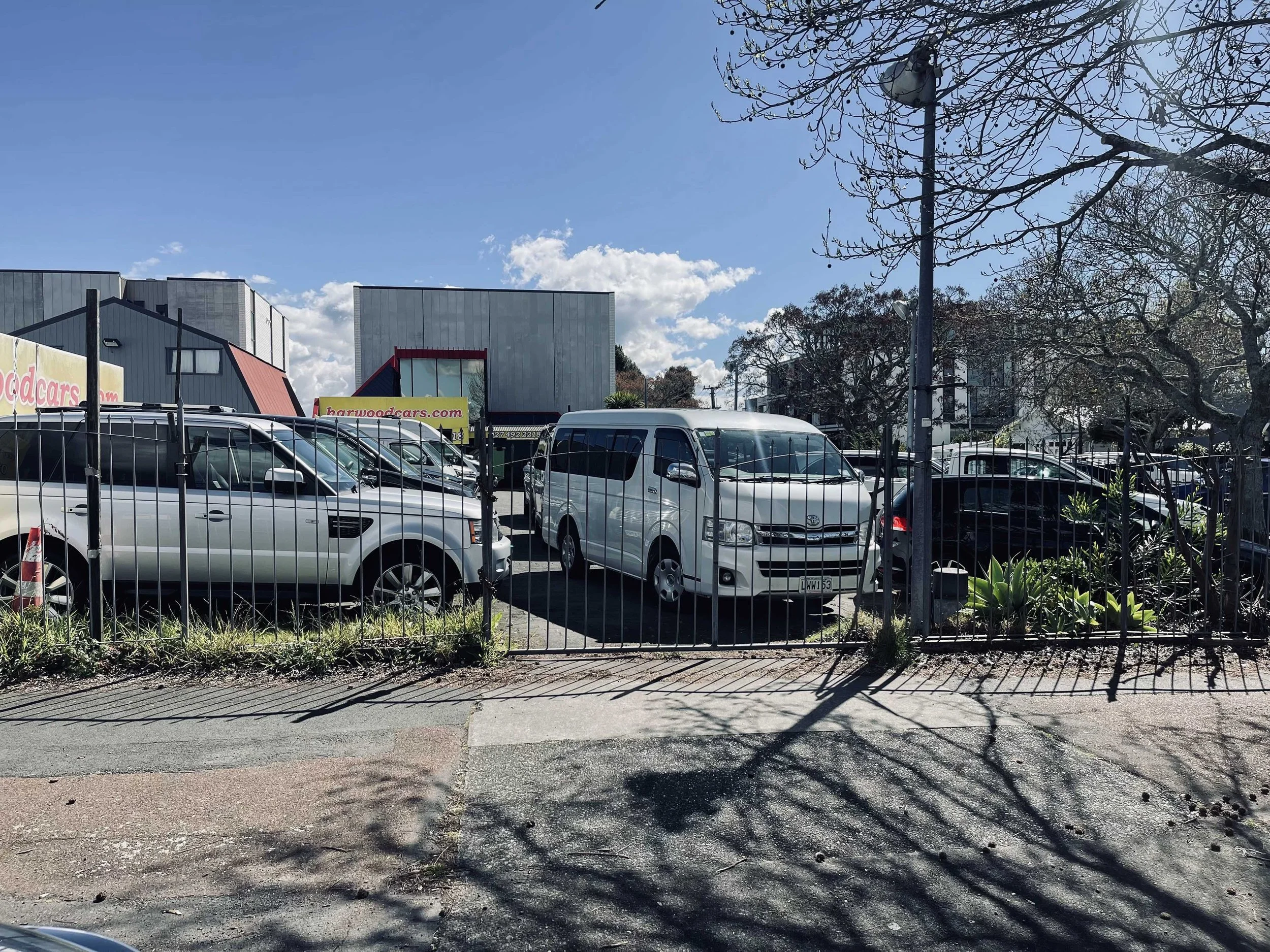
Used car dealerships have an array of vehicles for sale. Photo: Liz Dobson
Buying a used car in New Zealand can be a great way to get behind the wheel without paying the price of a new vehicle, but it’s important to look beyond the shiny exterior.
A car that looks like a bargain could end up costing you thousands if it has hidden problems. Before handing over your money, take the time to check the car, its history and the paperwork.
1. Check the car’s history
Before you buy, check the vehicle’s history, including its ownership, odometer readings, previous damage and whether there is money owing on it.
In New Zealand, you should also check the car’s WoF and registration status. If anything about the vehicle’s history doesn't look right, ask questions before going any further.
Car Jam is a great resource for finding out information on vehicles.
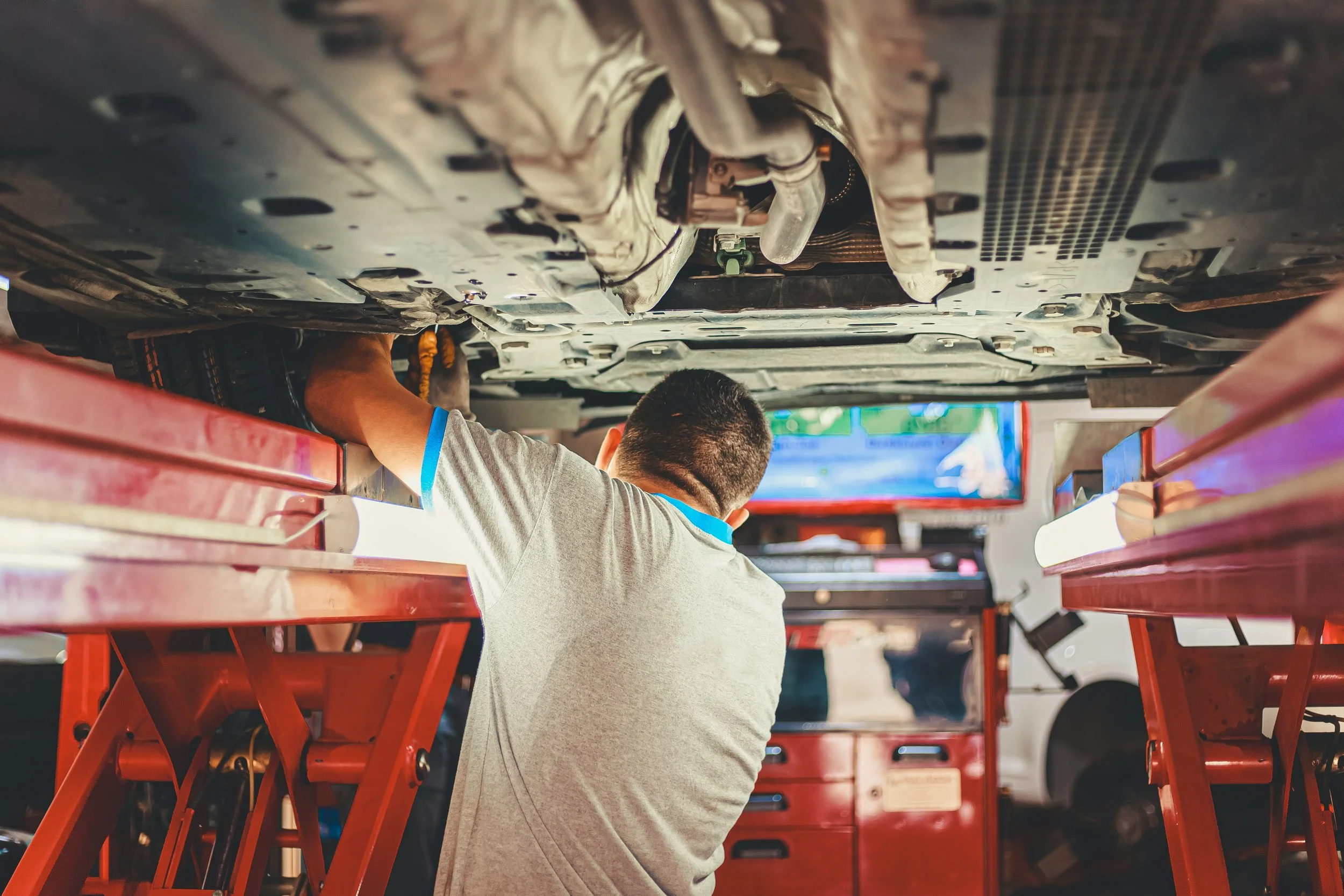
Have the used vehicle checked by an independent mechanic. Photo: Enis Yavuz
2. Get an independent inspection
Even if the car looks and drives well, consider getting a pre-purchase inspection from an independent mechanic. They can identify problems you may not notice during a short test drive, including issues with the engine, transmission, suspension, brakes and electronics. Spending a little on an inspection could save you a lot later.
3. Take it for a proper test drive
Don't simply drive around the block. Try the car in different conditions if possible, including urban roads and higher-speed driving.
Check how the engine, gearbox, steering and brakes feel, and listen for unusual noises. Make sure all the technology and equipment — from air conditioning to parking sensors — actually works.
One of the best tips I recommend is taking it back to your home to see if it fits in your parking area. I recently helped a friend buy a new vehicle, and we tested three vehicles to make sure it fit in her tiny garage.
4. Check the tyres, bodywork and interior
Look carefully for mismatched paint, dents, rust, uneven panel gaps or signs that the car may have been repaired after an accident.
Check the tyres for tread and uneven wear, and look underneath the car for leaks. Inside, check the seats, carpets and controls for excessive wear that may not match the claimed mileage.
I also love the tip to stand by the bonnet and look down the sides of the car to check that the paintwork is the same.
My mum (RIP) bought a hatchback without my input, and when I saw it, I mentioned that the rear passenger door paint didn’t match the rest of the car. Needless to say, it needed a complete paint job when we sold it.
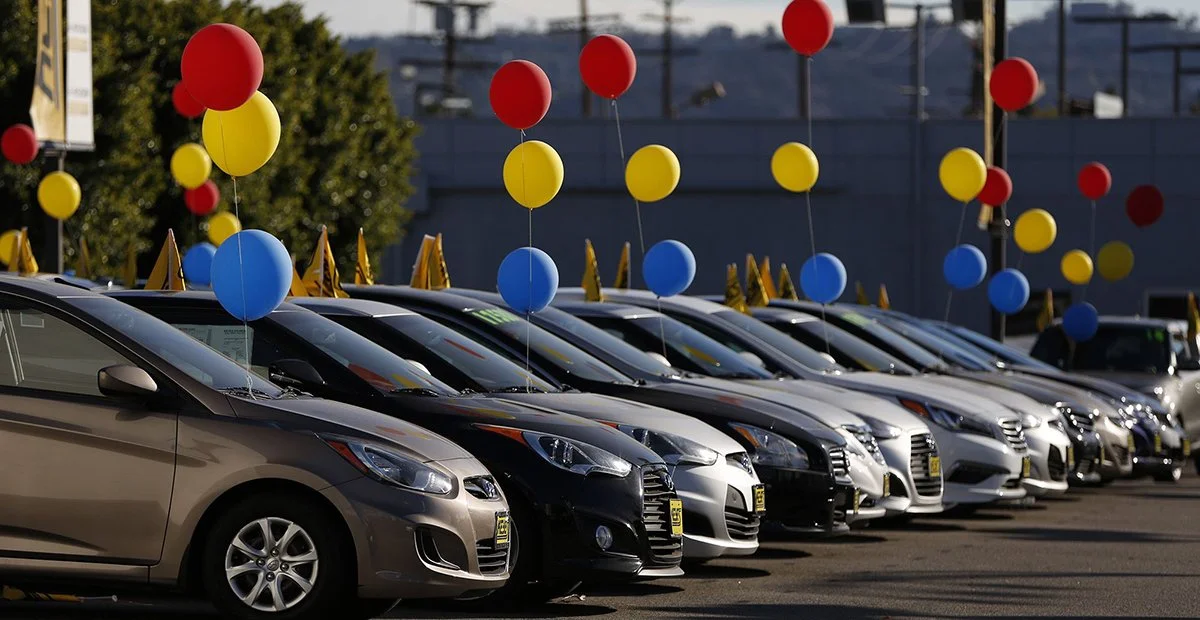
Compare the vehicle to similar cars before negotiating price.
5. Don't buy based on price alone
The cheapest car isn't always the best deal. Consider fuel or charging costs, insurance, servicing, tyres, registration and likely repairs.
Also compare the asking price with similar cars on the New Zealand market. If a vehicle is significantly cheaper than comparable examples, find out why before signing anything.
The bottom line
Take your time and don't be pressured into buying. A used car should be assessed on its condition, history, running costs and price, not simply how good it looks in an online advertisement. If you're unsure, paying for an independent inspection or getting professional advice can be money very well spent.