
The truth about Chinese cars in NZ
If you are keen to buy a Chinese vehicle, go to AutoMuse ProAdvice
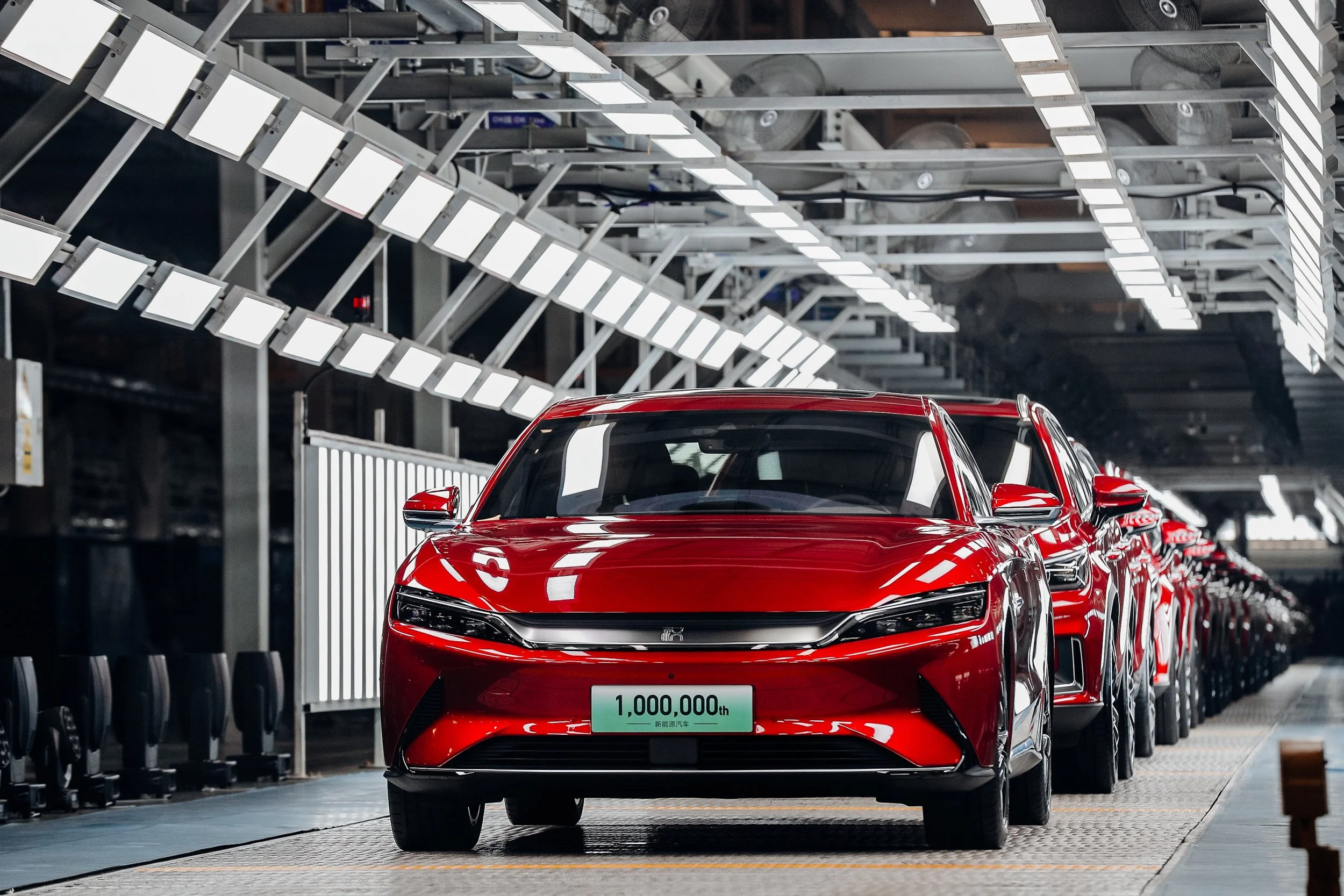
BYD recently produced its one millionth vehicle. Photos: Supplied
Opinion: If you are thinking of buying a Chinese vehicle but are worried about the longevity of the make in New Zealand, I have one word for you: Holden.
Stay with me here.
I’ve been a motoring journalist for 30 years and seen the rise of Korean brands such as Hyundai and Kia, competing with Japanese giants Toyota (always number one), Honda and Mitsubishi in the New Zealand market.
Chinese brands entered our market in the late 2000s to early 2010s, but those were clunky, ugly and with questionable safety standards.
But the Chinese Government saw the potential of the global market, and the evolution began. It has funded the automotive industry for decades, but has focused on electric vehicles since 2009 to the tune of over US$230 billion.
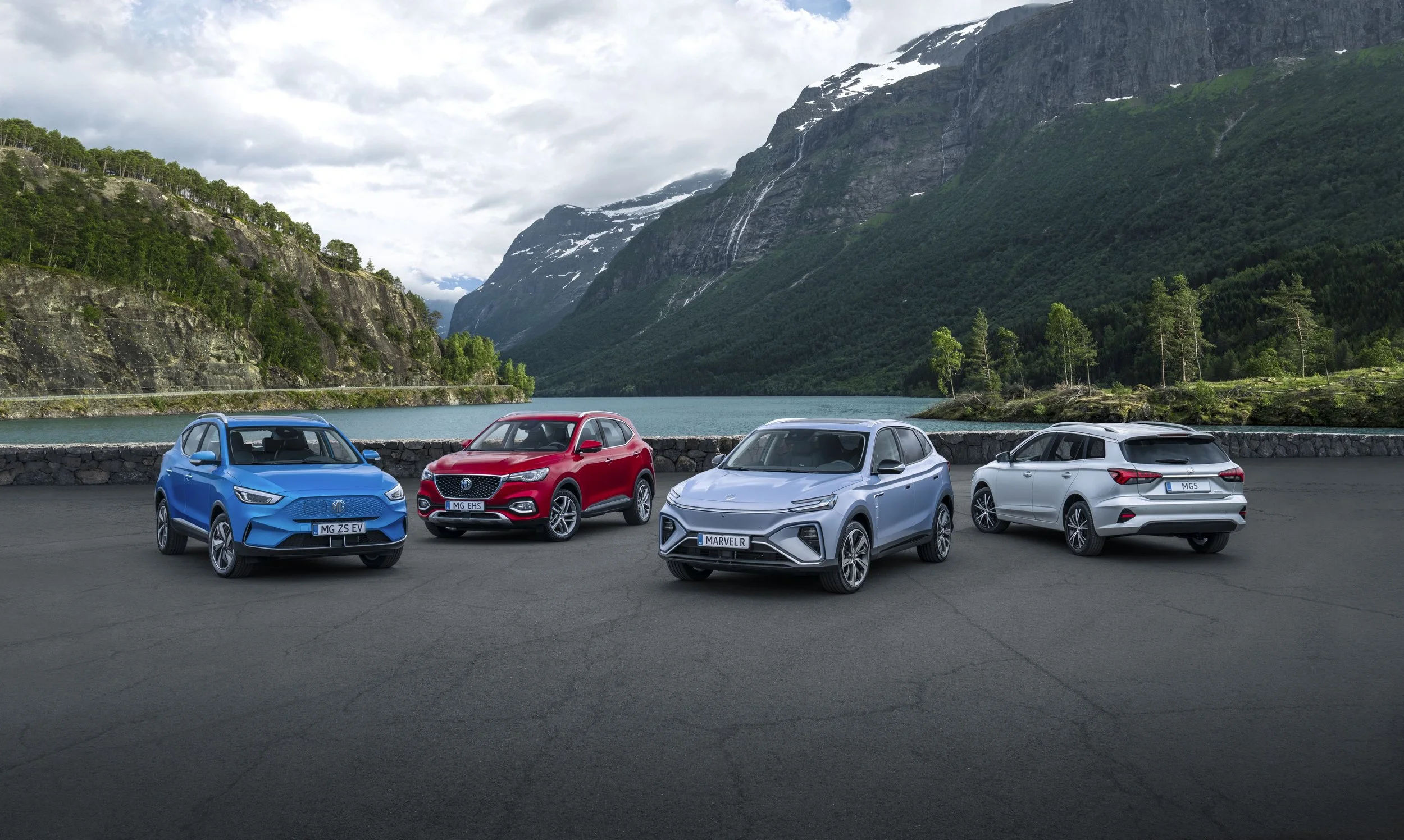
MG Motor range has expanded since 2021 (as above)
This led the main players in the Chinese automotive industry to either hire top-tier global talent in design and R&D or, in other cases, move these departments to Europe.
The Chinese are now competing with legacy car brands, and the result is their vehicles dominating in Europe, South America, and Southeast Asia. In Australia, Chinese brands have now officially taken over Japanese brands (51% to 49%).
Here, Chinese brands are steadily moving into the top 10 of new vehicle sales with BYD in fifth place, MG Motor in sixth, and GWM in eighth place year-to-date (YTD).
Of those brands, the top-selling model was the MG ZS in seventh place with 1069 sales (YTD), the GMW Haval H6 in 10th with 994 sales (YTD), while the BYD Shark 6 ute was eighth in the commercial sector with 637 sales (YTD).
If you are confused about the Chinese brands entering our markets and which company will last, don’t worry, everyone is. All the automotive executives I’ve spoken to are asking the same question.
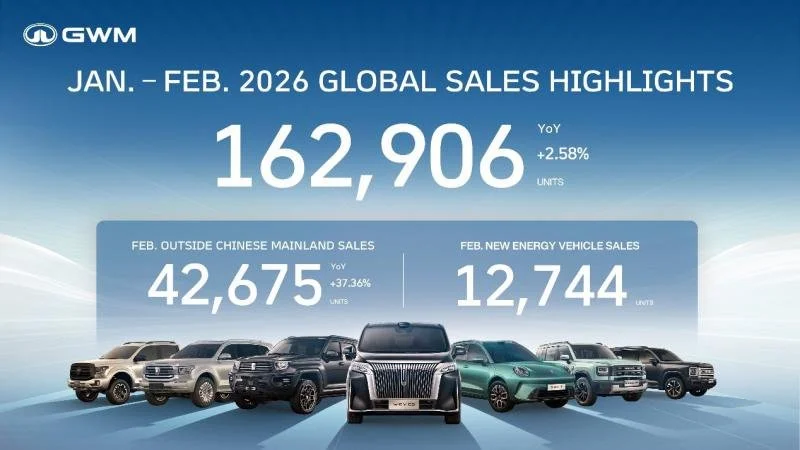
GWM is also expanding globally.
New Zealand is a tiny market when it comes to new car sales, so adding a phenomenal influx of Chinese brands to an already crowded market, and we are all questioning the outcome.
So what is the truth about buying a Chinese vehicle?
This leads me back to Holden (I bet you were wondering).
Holden’s parent company, General Motors (GM), is the largest automaker in the United States by market share and vehicle sales. But Holden was only one per cent of sales for the company.
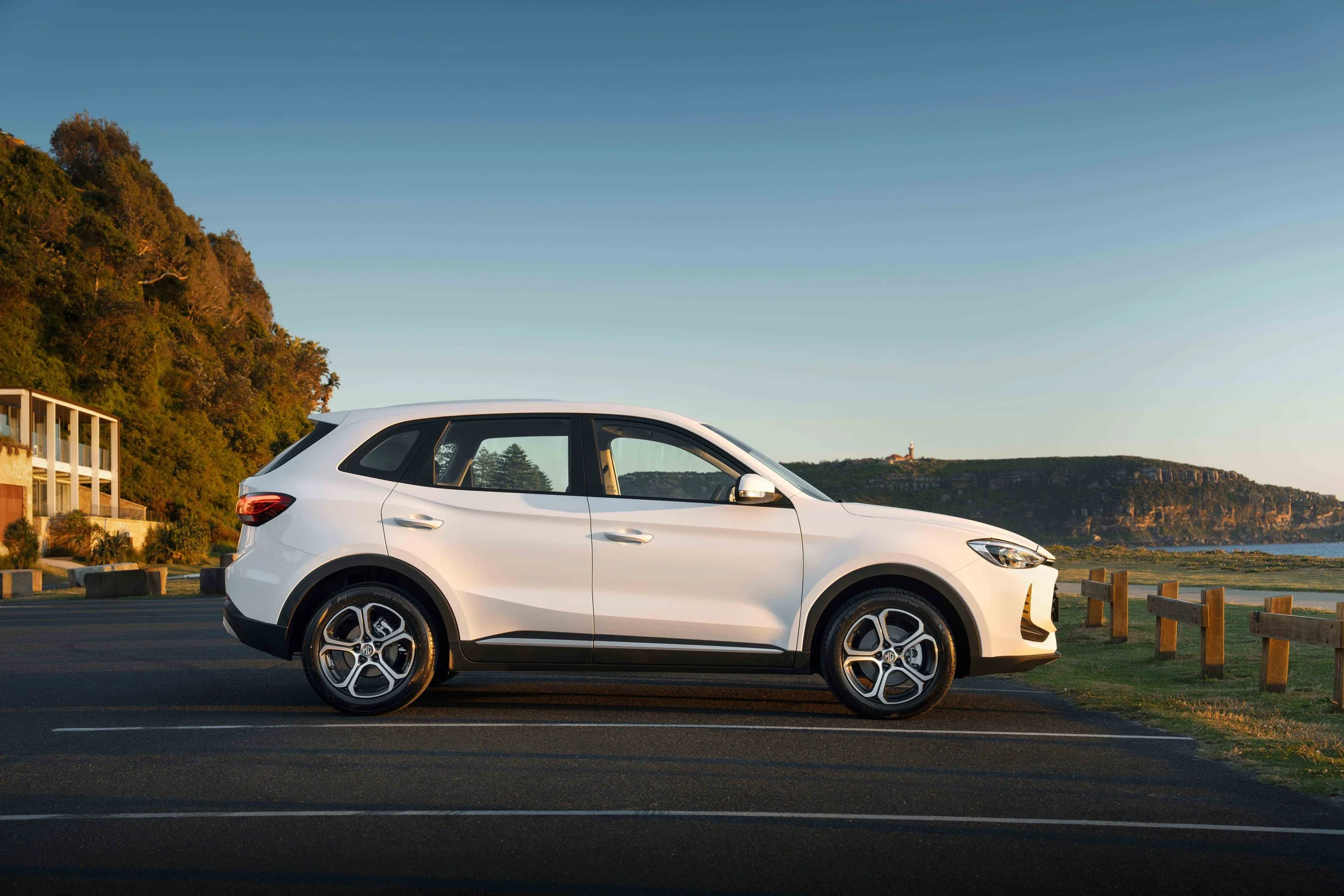
The MG ZS is the top selling Chinese car year to date in Nw Zealand.
In 2018, an Australian motoring colleague told me about his experience at a GM press event in Detroit. He said, “GM doesn’t give a f*ck about us.”
And two years later, Holden Australia and New Zealand were closed down.
So when it comes to buying a Chinese vehicle, you need a brand that is established in many countries and has an extensive dealership network in New Zealand.
Next, let me again refer to Holden.
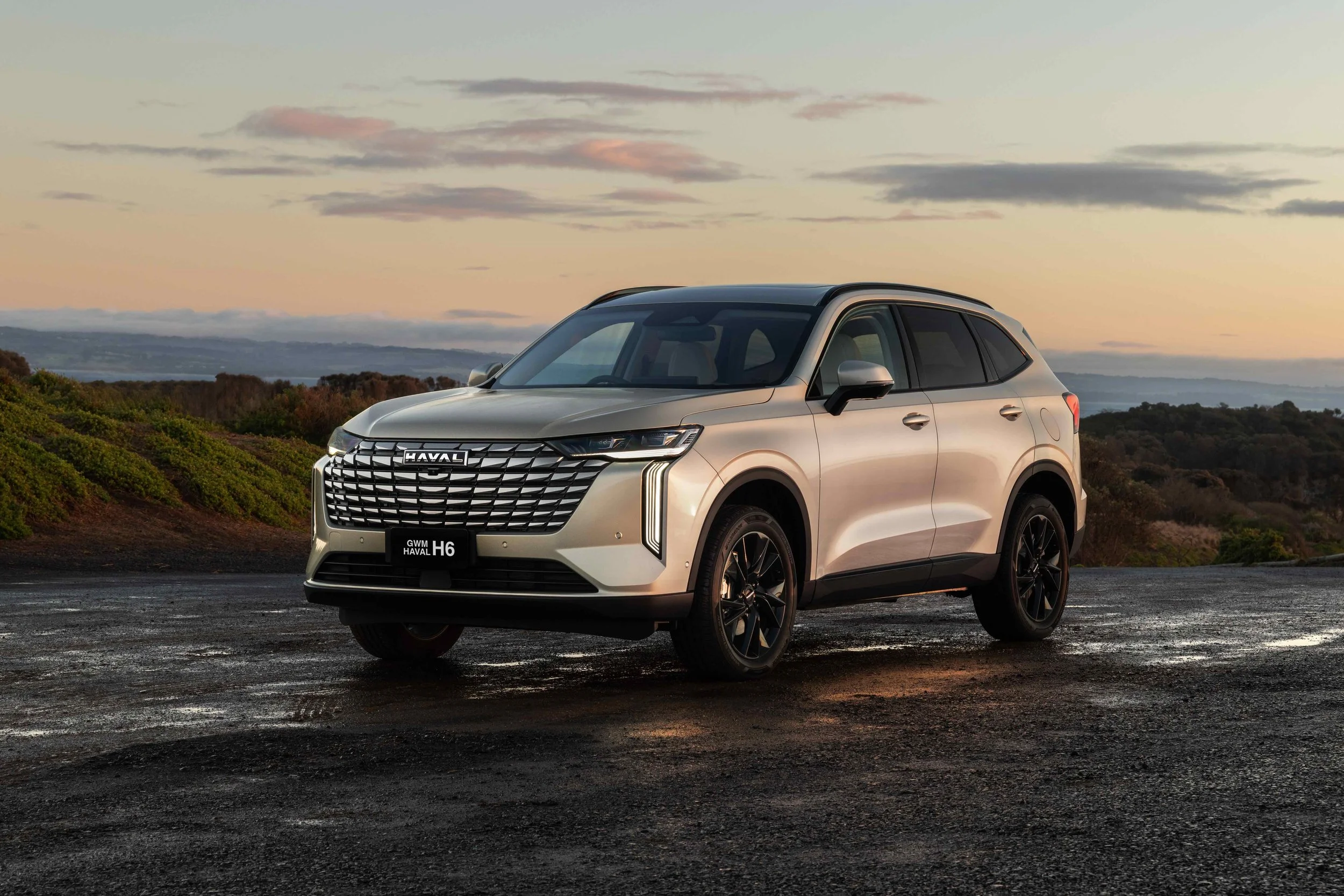
The GWM Haval H6 is a popular brand in New Zealand.
A recent Uber driver in his BYD Atto 3 told me he said he had to sell his Holden Colorado ute because he couldn’t replace parts.
Of course, with EVs, the parts that need replacing are tyres and windscreen wipers, but you still need a battery guarantee.
When it comes to guarantees, you’ll also notice that some Chinese brands are offering an extensive warranty period.
Focusing on those brands in the top 10 new vehicles, MG Motor's manufacturer's warranty can be extended up to 10 years or 250,000 km. GWM offers a 7-year/unlimited kilometre vehicle warranty, while BYD's warranty period is 6 years or 150,000km whichever comes first.
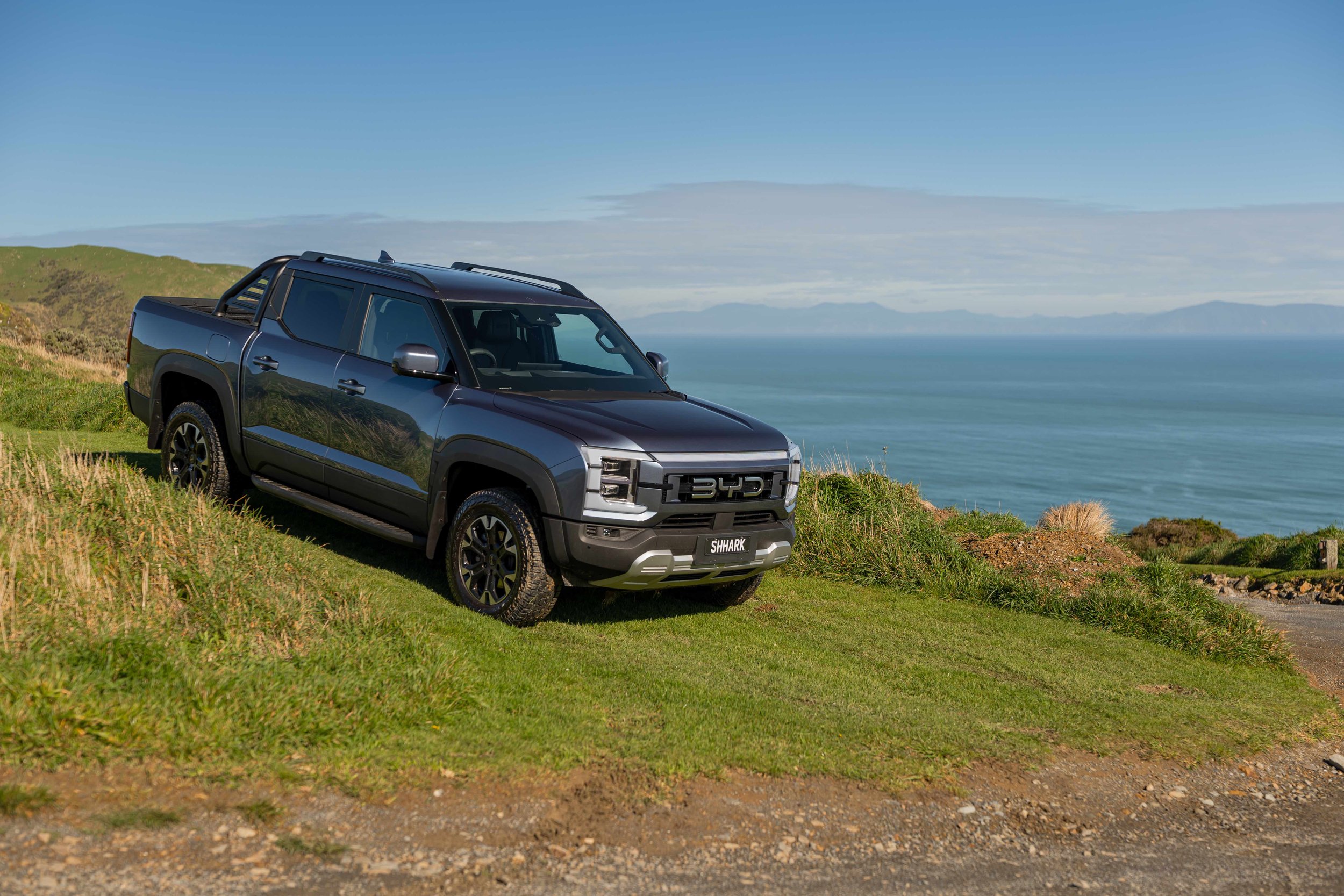
The BYD Shark 6 has had 637 sales (YTD).