
Reviewed: Chery Tiggo 8 super hybrid SUV
If you are interested in buying this SUV, go to AutoMuse ProAdvice, your personalised car consultancy.
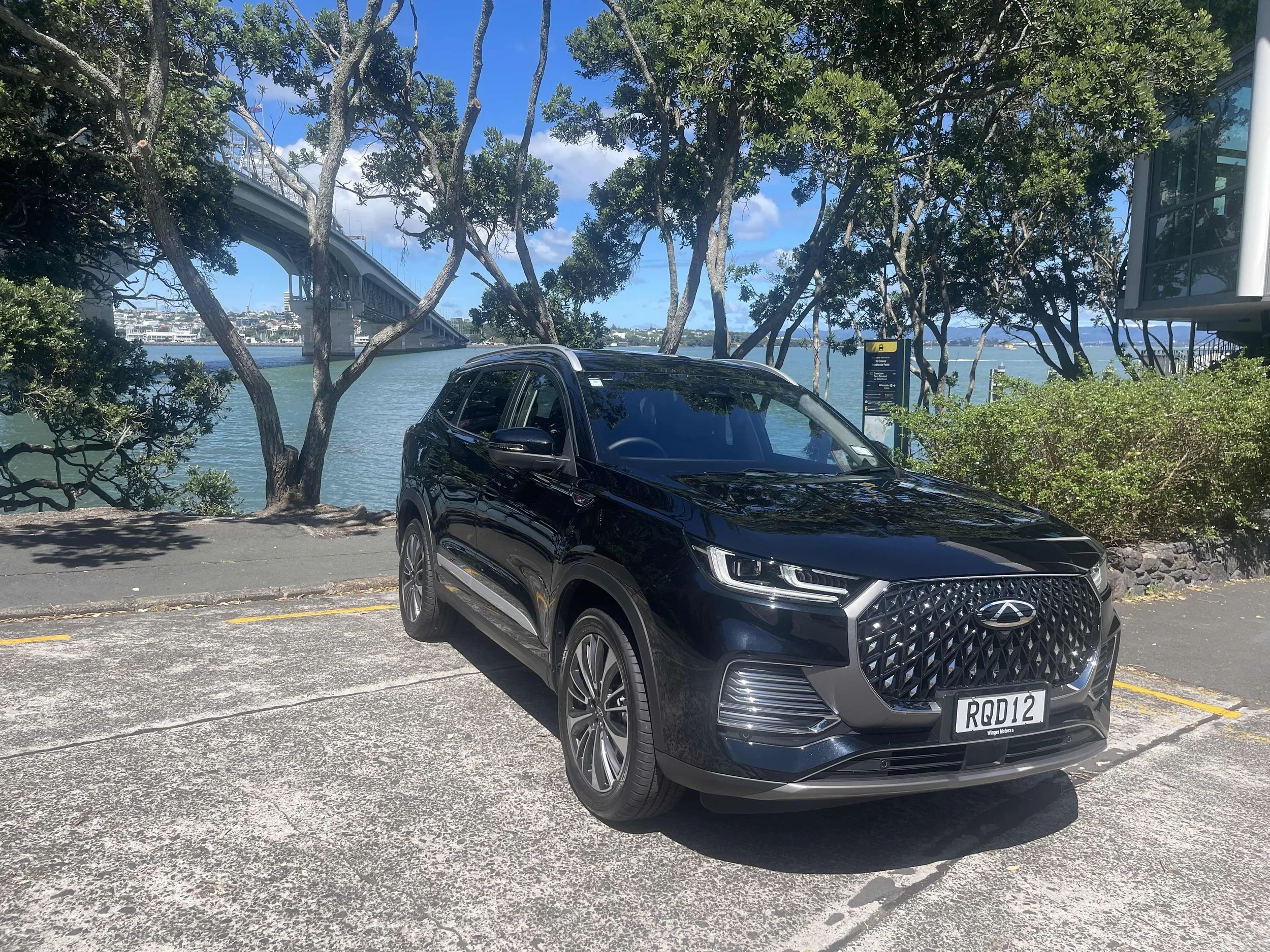
The Chery Tiggo 8 super hybrid has an electrc range of 95km. Photos: Liz Dobson
Before the fuel crisis, there was a large SUV that became popular with Kiwi families, and now, with petrol prices so high, you can expect to see more sales of the Chery Tiggo 8 seven-seater super hybrid.
The medium SUV from the Chinese brand was launched in New Zealand late last year with two variants: the Urban front-wheel-drive (priced from $39,990), the AWD Ultimate from $44,990 and was recently joined by the super hybrid (priced from $51,990).
Under the bonnet of the super hybrid, the Tiggo 8 pairs a 1.5-litre turbo petrol engine with a powerful electric motor, producing a combined system that feels punchy and responsive. The electric motor alone delivers strong low-speed acceleration, making it particularly effective in urban driving.
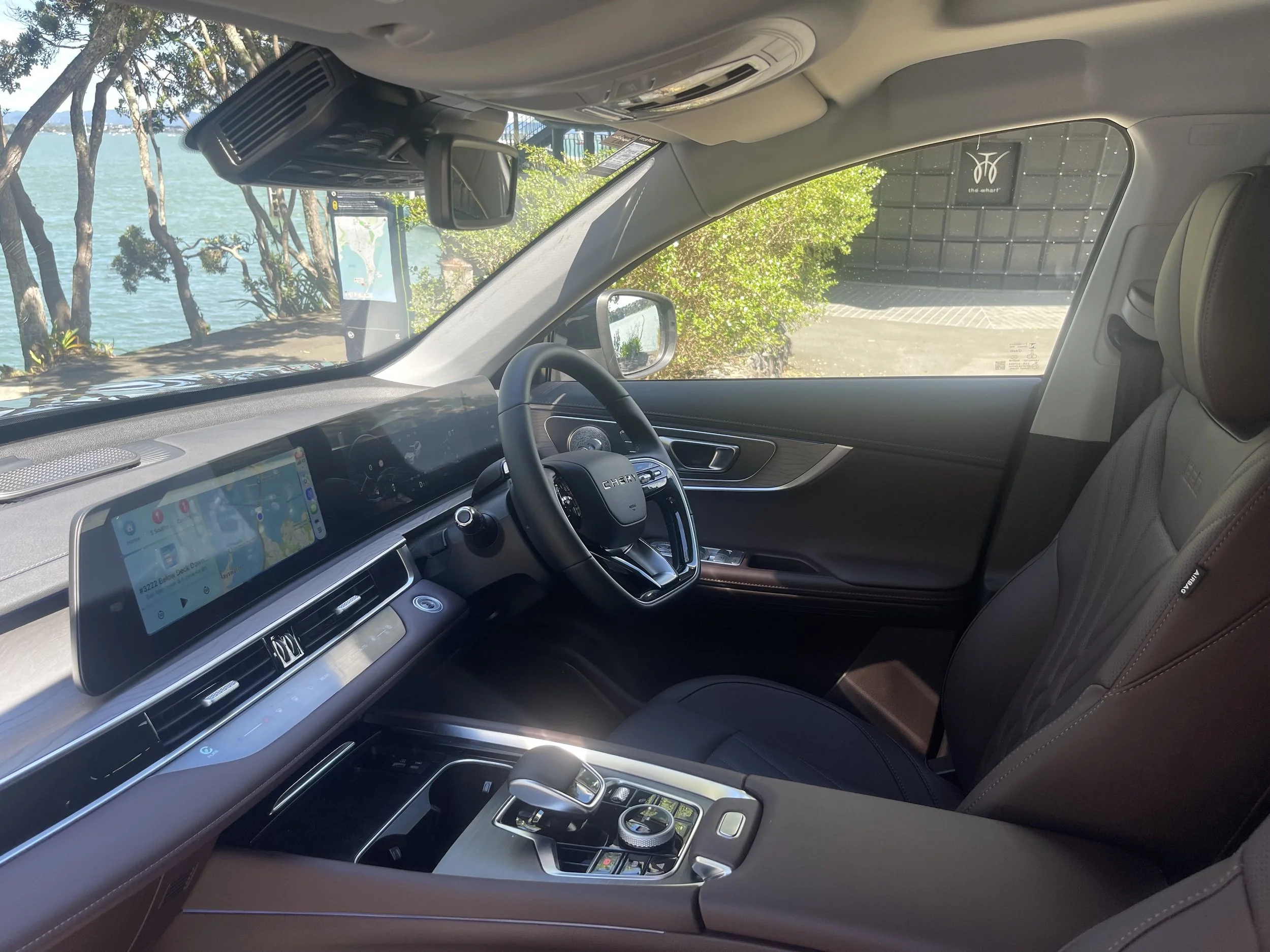
The Chery Tiggo 8 has a premium interior.
The super hybrid gives 95km of electric and a combined total driving range of 1,200km. It also has fuel consumption figures of just 1.3l/100km.
During my review period of the Tiggo 8 Superhybrid, I averaged 4l/100km, but that’s because I used the petrol engine instead of charging the electric motor. Owners of the Tiggo 8 would depend on the electric motor for their daily commute.
Around town, it can run as a near-silent EV, while on the open road, the petrol engine supports sustained cruising. The driving experience prioritises comfort and smoothness over outright sportiness, with light steering and a composed ride.
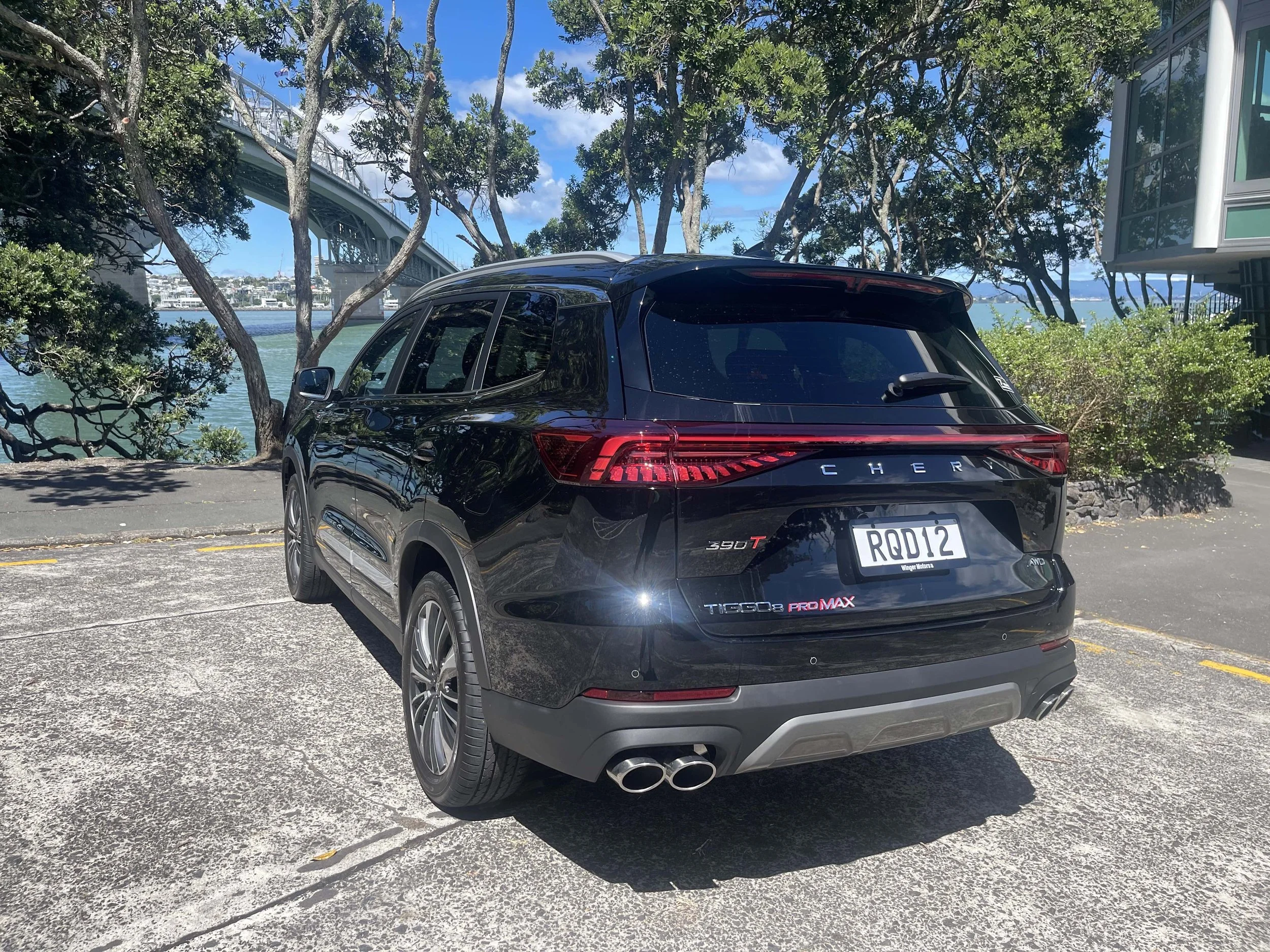
The Chery Tiggo 8 super hybrid is priced from $51,990.
It has a seven-year unlimited km warranty and an eight-year battery warranty.
Visually, the Tiggo 8 super hybrid has real road presence. The bold diamond-pattern grille, slim LED lighting signatures and sculpted bodywork give it a contemporary, slightly premium-European look. It avoids the overly fussy styling seen in some rivals, instead opting for clean lines and a strong stance.
Inside, the cabin is a standout. The dual-screen setup (10.25-inch driver display and 15.6-inch infotainment), ambient lighting and diamond-stitched upholstery elevate perceived quality well beyond expectations at this price point. Space is generous across all three rows, although like most seven-seat SUVs, the third row is best suited to children or short trips.
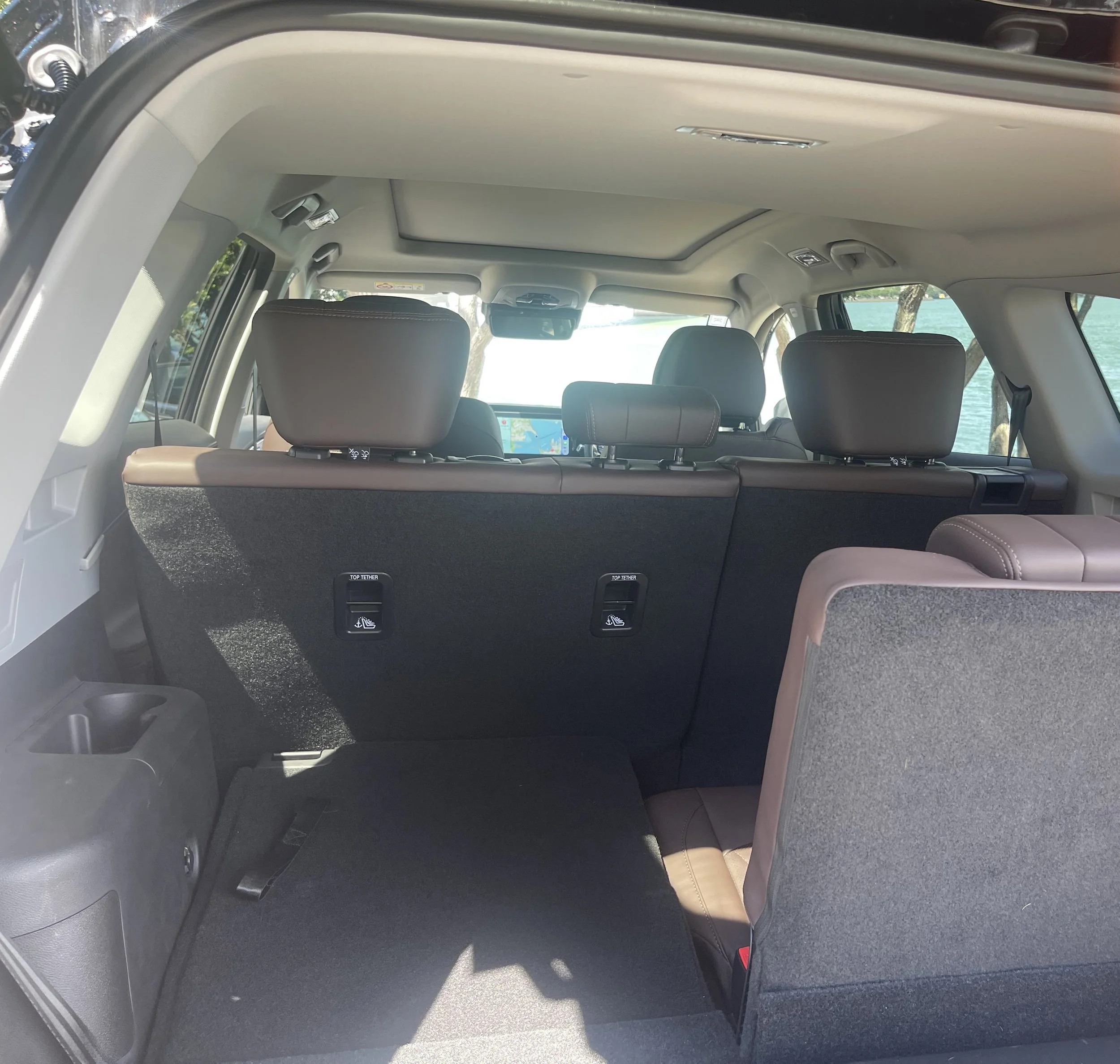
The Chery Tiggo 8 is a seven-seater.
This is a family SUV first and foremost. With seven seats, flexible cargo space and a long list of standard features, it is designed for practicality. Even with all seats in use, boot space remains usable, expanding significantly with the third row folded.
The family-friendly factor was proven to me when I dropped off the vehicle, and three families were booked to pick up their new Tiggo 8 that day at the dealership.
I had recommended the Tiggo 8 (along with some other super hybrid brands) to my daughter’s colleague, who wanted the fuel efficiency plus needed three rows of seats. They gave up their European SUV and bought the Tiggo 8 super hybrid.
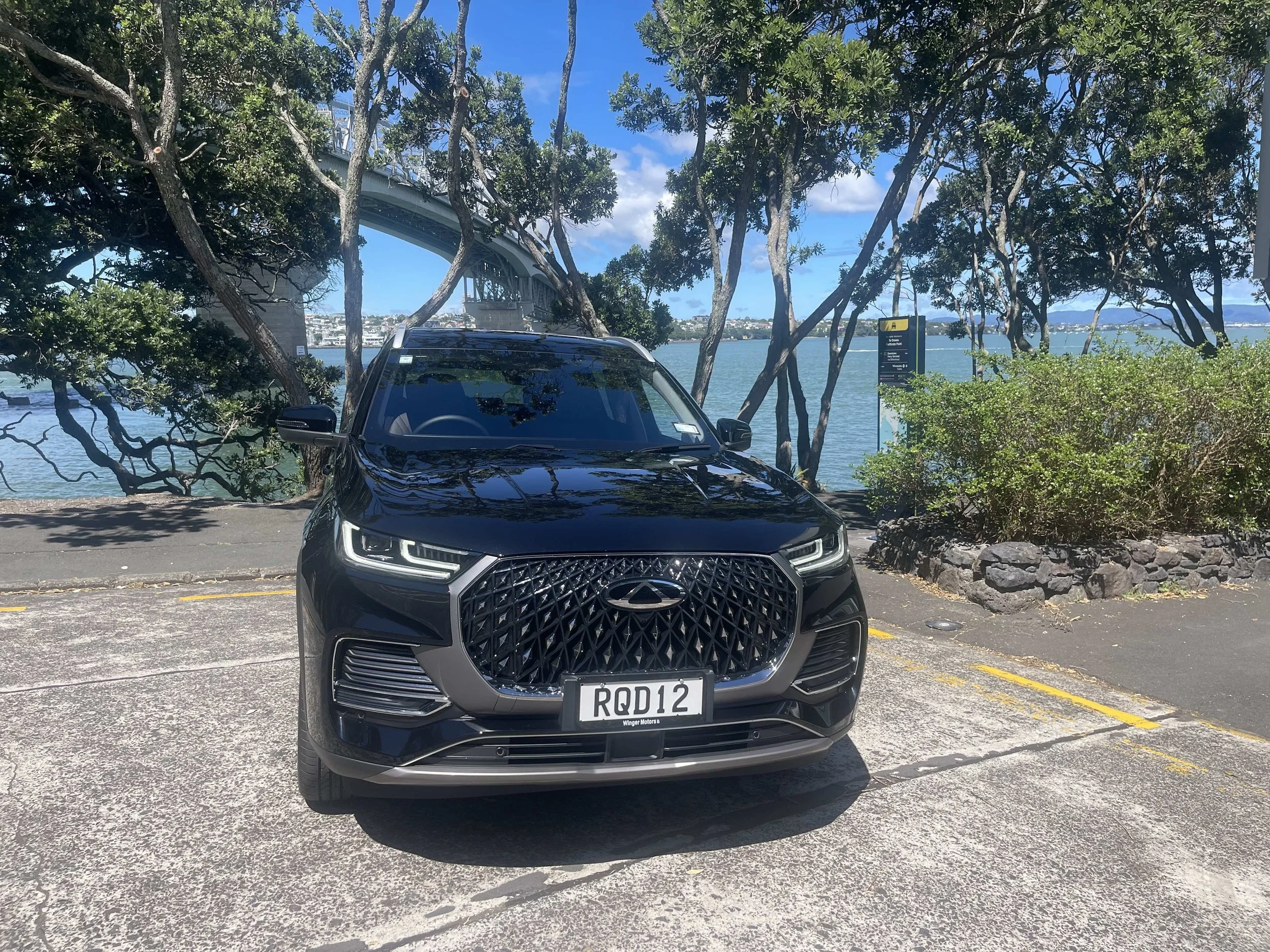
The bold diamond-pattern grille and slim LED lighting signatures look impressive.
Technology is a strong point, with features such as a 360-degree camera, voice control, wireless charging and a comprehensive suite of driver assistance systems. Safety is also well covered, with multiple airbags and advanced active safety tech.
While not an off-road-focused SUV, it handles light gravel and family adventure duties comfortably thanks to its hybrid torque delivery and decent ground clearance.
Key rivals here include the Mitsubishi Outlander PHEV, Kia Sorento Hybrid and the Toyota Highlander Hybrid. But those models are on average $15,000 more expensive.
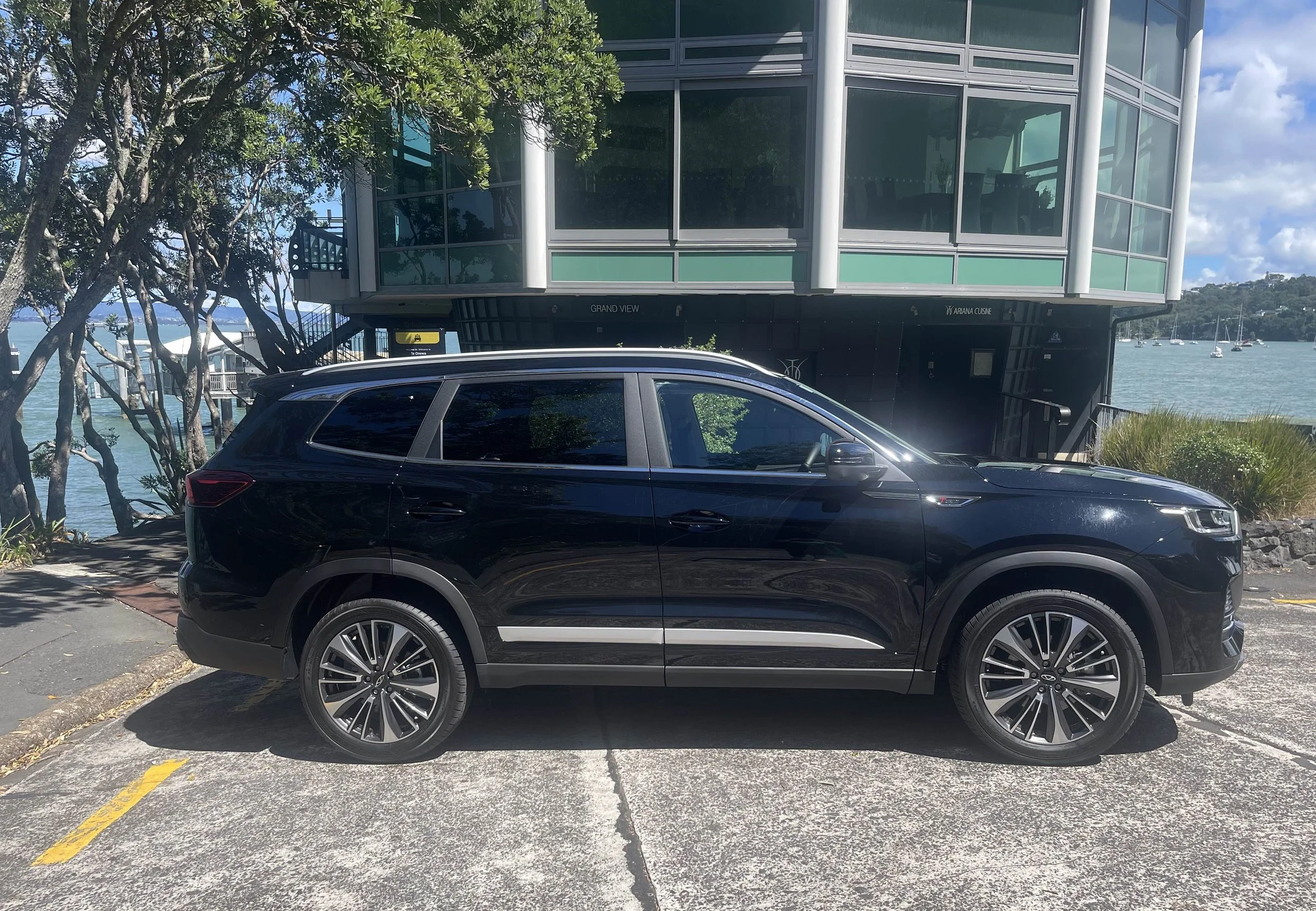
The Tiggo 8 pairs a 1.5-litre turbo petrol engine with a powerful electric motor.
The Chery Tiggo 8 super hybrid is one of the most compelling new entrants in the seven-seat SUV market. It combines impressive efficiency, generous equipment and family practicality in a package that undercuts much of the competition.
While it may not yet match the polish or driving finesse of more established brands, its value proposition is hard to ignore—especially for buyers prioritising running costs and space.
Pros:
Exceptional fuel economy and long electric range
Strong value for money with high equipment levels
Spacious, tech-rich interior
Cons:
Steering lacks feel and driver engagement
Brand perception is still developing vs established rivals
Third-row space limited for adults