
Is an electric vehicle right for me?
If you want to buy an EV, head to AutoMuse ProAdvice
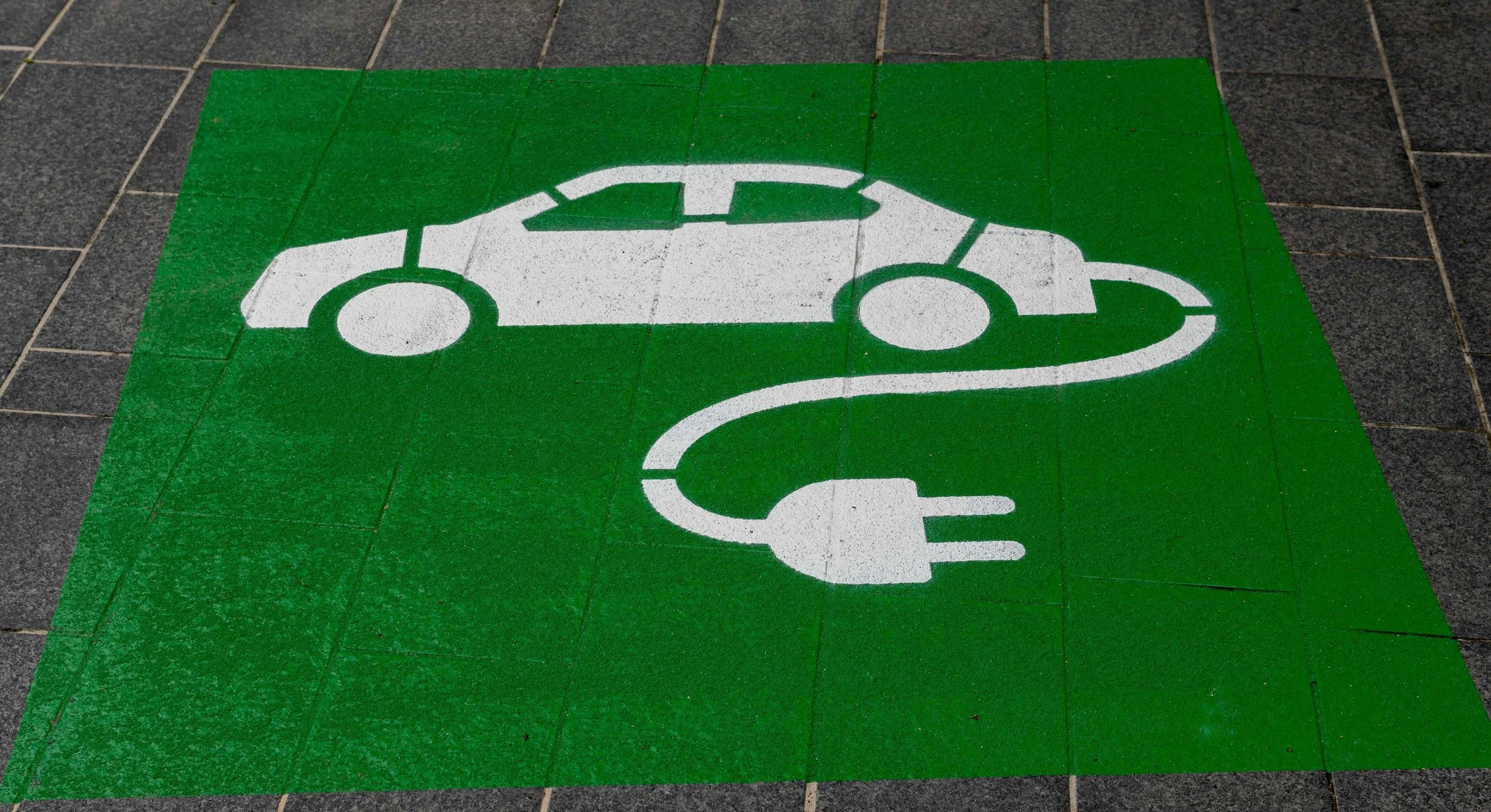
There are a lot factors to consider when it comes to EVs. Photos: Unsplash
Electric vehicles have become a common sight on New Zealand roads, from Teslas and BYDs to MGs and Kias, and many brands in between.
While Electric vehicle (EV) sales slowed after the Government's Clean Car Discount ended, they have rebounded in 2026 as more affordable models have entered the market, while the oil supply crisis in the first quarter of 2026 also saw a leap in electric vehicle sales.
Good news for buyers is that there are now 260 new electric vehicle models in New Zealand with varying prices.
While driving an EV can save thousands of dollars in fuel and servicing, they're not the perfect solution for everyone.
Here's a look at the biggest advantages and disadvantages of owning an electric vehicle in New Zealand.
The Biggest Advantage: Cheap Running Costs
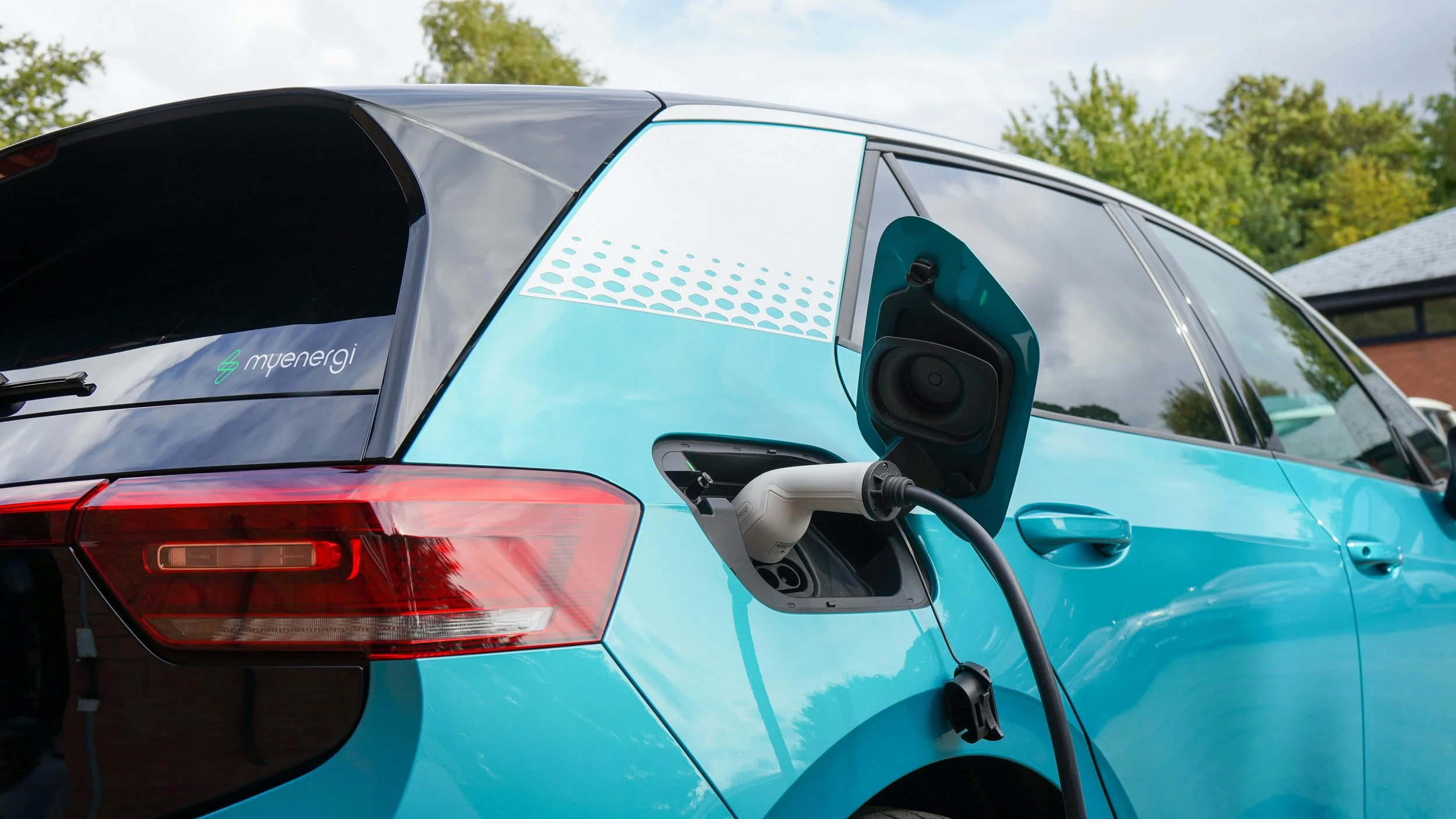
There a fewer maintiance costs when it comes to an EV.
The main reason many Kiwis switch to an EV is the dramatic reduction in running costs.
Electric vehicles also have fewer moving parts. There are no oil changes, spark plugs, timing belts or traditional automatic transmissions to service.
Brake pads also tend to last longer thanks to regenerative braking, which slows the car while recovering energy back into the battery.
For drivers covering 15,000 to 20,000 kilometres a year, those savings can quickly add up.
Charging at Home

Charging at home is an cheap option.
One of the biggest misconceptions about EV ownership is that you'll spend your life waiting at public chargers.
The reality is that most owners do almost all of their charging at home.
A standard household three-pin plug will charge an EV, but it's slow. Depending on battery size, it can take anywhere from 20 to 40 hours to fully recharge.
Most owners instead install a dedicated wall charger. A professionally installed 7kW home charger generally costs between NZ$1500 and NZ$3000, including installation, depending on the charger you choose and how much electrical work your home requires.
With a wall charger, most electric cars can recharge overnight in around six to 10 hours, meaning you wake up every morning with a "full tank".
If you have solar panels, charging costs can be even lower.
Public Charging Makes Long Trips Easy
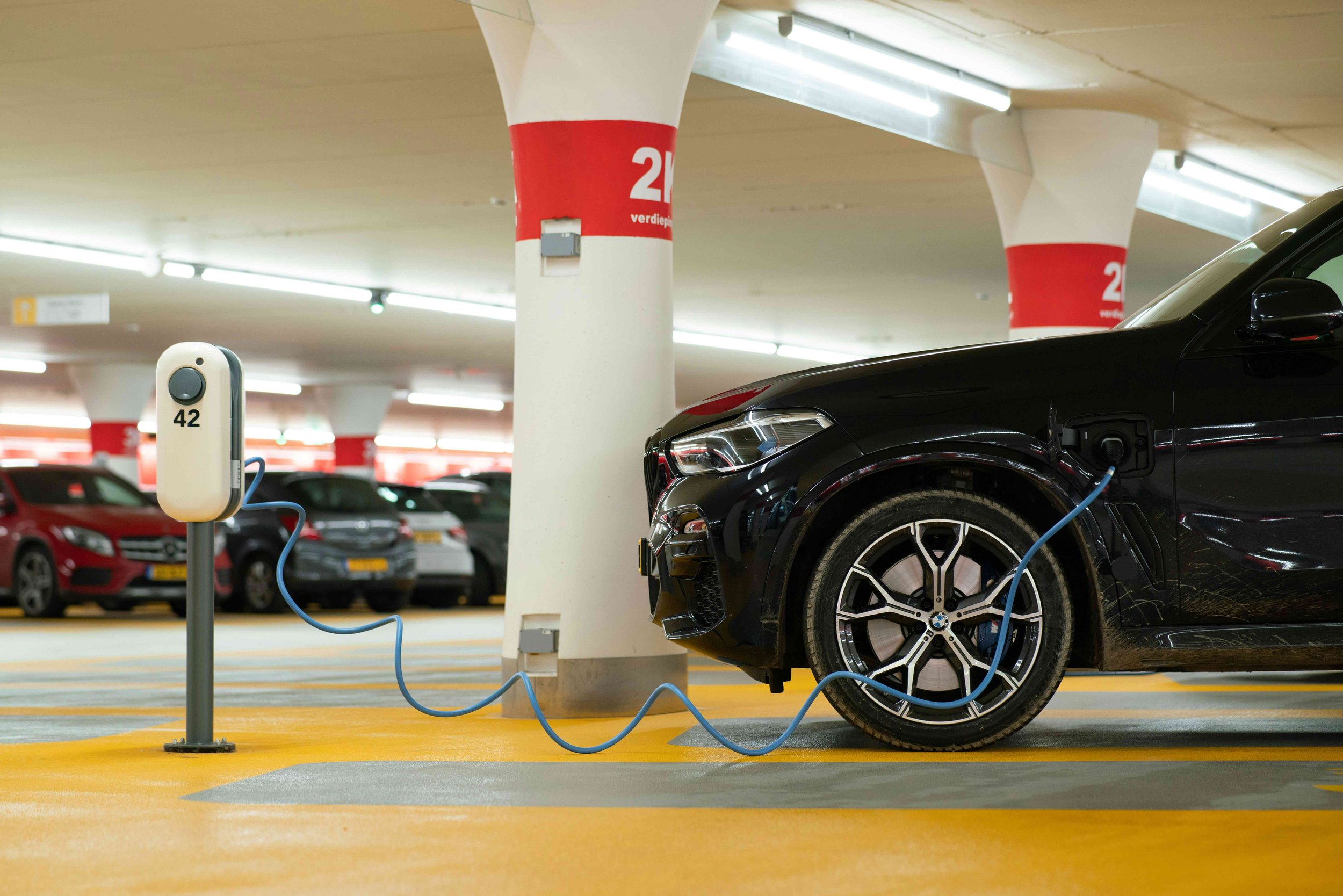
While public charging is great for trips, it can be expensive for weekly use.
When travelling longer distances, public charging networks become essential.
New Zealand has an extensive network of fast chargers operated by companies such as ChargeNet, Z Energy, BP Pulse, Jolt, Tesla Superchargers and several regional providers.
ChargeNet remains the country's largest public charging network, with chargers located along most major highways and in many towns, making it relatively easy to drive between Auckland, Wellington, Christchurch and many regional destinations.
Fast chargers can typically recharge most modern EVs from around 20% to 80% in 20 to 40 minutes.
One of the downsides is cost. Public fast charging is considerably more expensive than charging at home, so regular users will notice higher running costs.
Another issue I have it that the public charger could be broken (as I’ve found over Christmas), or the vehicle has software issues with the service (again, a recent discovery).
Because of this, I don’t rely on a single charging service but instead I have three providers I can choose from.
Range Anxiety Is Still Real
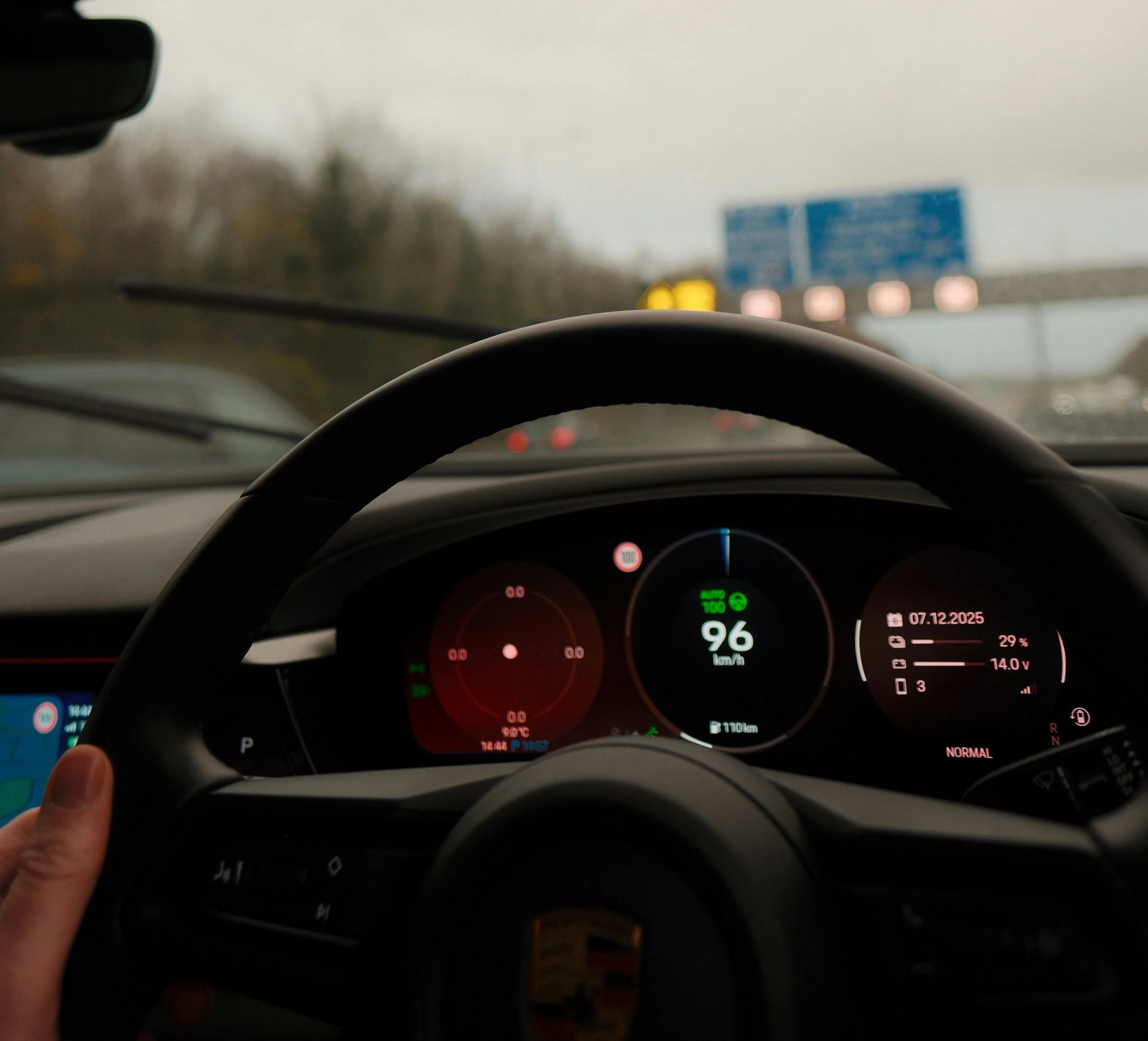
Range anxiety is still a factor when it comes to owning an EV.
Perhaps the biggest concern for first-time EV buyers is range anxiety; this is the fear of running out of battery before reaching your destination.
And even for seasoned EV drivers like me, I get nervous when the battery hits below 20%, and I’m not near a charger.
But modern electric vehicles now offer considerably more range than earlier models, with many travelling between 350km to over 700km
However, real-world range depends on several factors, including:
Driving speed
Hills
Wind
Air conditioning or heating use
Number of passengers
Heavy acceleration
But now most modern EVs also include excellent navigation systems that automatically calculate battery usage and direct drivers to charging stations if required, making long-distance travel much less stressful than many people expect.
A recent EV test vehicle had only 24km left for me to get home so I could plug in the home charger, so I used my sav nav for the route with fewer kms, even if it took longer (albeit by a few minutes).
Are EVs Suitable for Everyone?
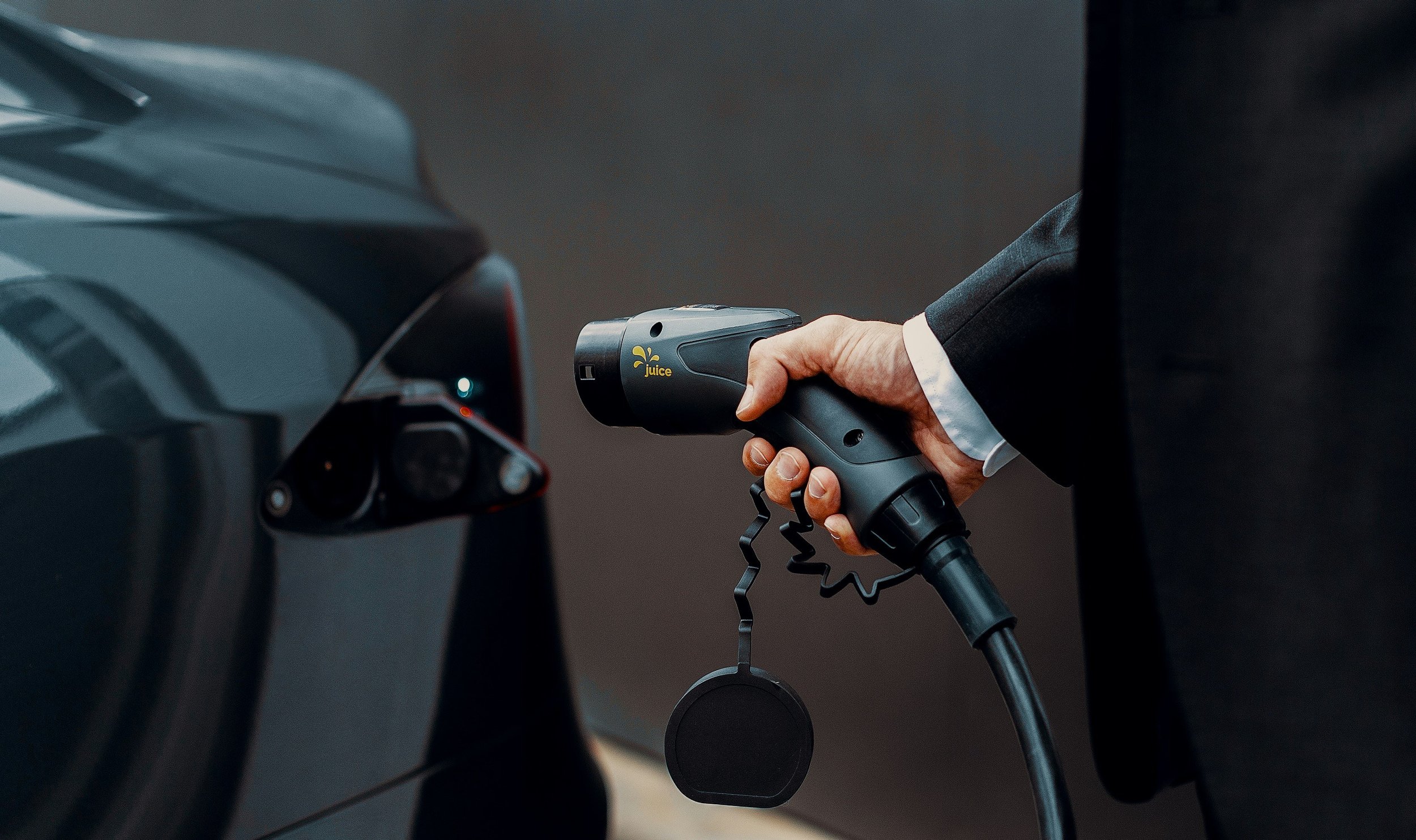
Owning an EV isn’t for everybody.
People living in apartments or properties without off-street parking may struggle to install home charging.
For example, my father lives in a villa with no garage and it's not feasible for him to have the cable dangling from a window while charging an EV.
Drivers who regularly tow heavy trailers or caravans may also find battery range drops significantly.
Likewise, people who frequently travel long rural distances every day may still prefer the convenience of a petrol, diesel or hybrid vehicle.
However, for the average New Zealand commuter travelling less than 50 kilometres per day (or 20km in cities) so an EV is often an excellent fit.
Battery Life
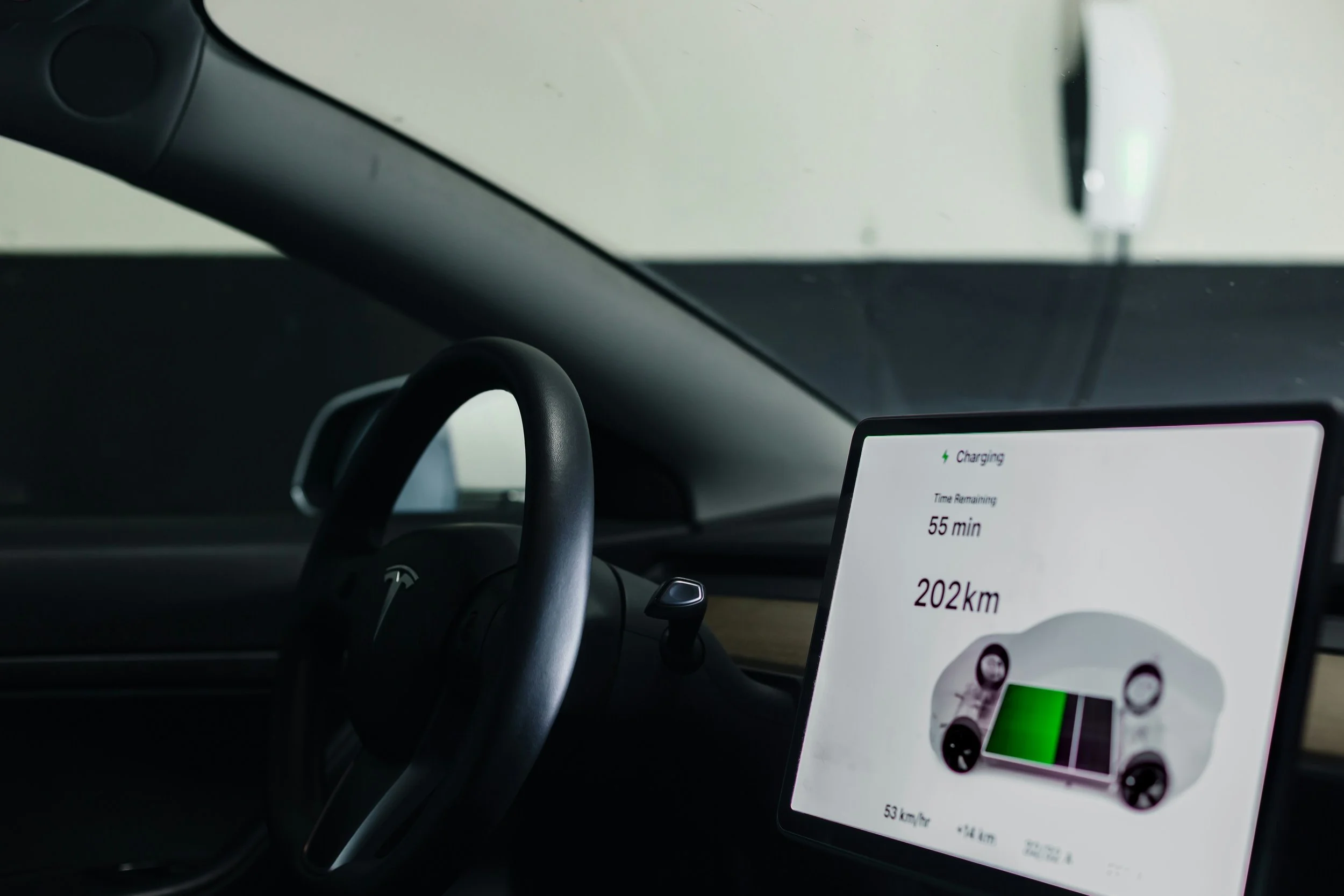
The life of batteries is getting better with new models.
Battery degradation remains one of the biggest concerns among buyers but modern batteries are lasting far longer than originally expected.
Most manufacturers now provide battery warranties of around eight years or 160,000 kilometres, and real-world data shows many batteries retain well over 85% of their original capacity after many years of driving.
For buyers considering a used EV, having the battery health checked before purchase is highly recommended.